Doha, Qatar: The Zakat Affairs Department at Ministry of Awqaf and Islamic Affairs provided financial assistance totaling more than QR6.82m during May 2026, benefiting 2,889 eligible families across the country as part of its ongoing efforts to strengthen social solidarity and support vulnerable groups.
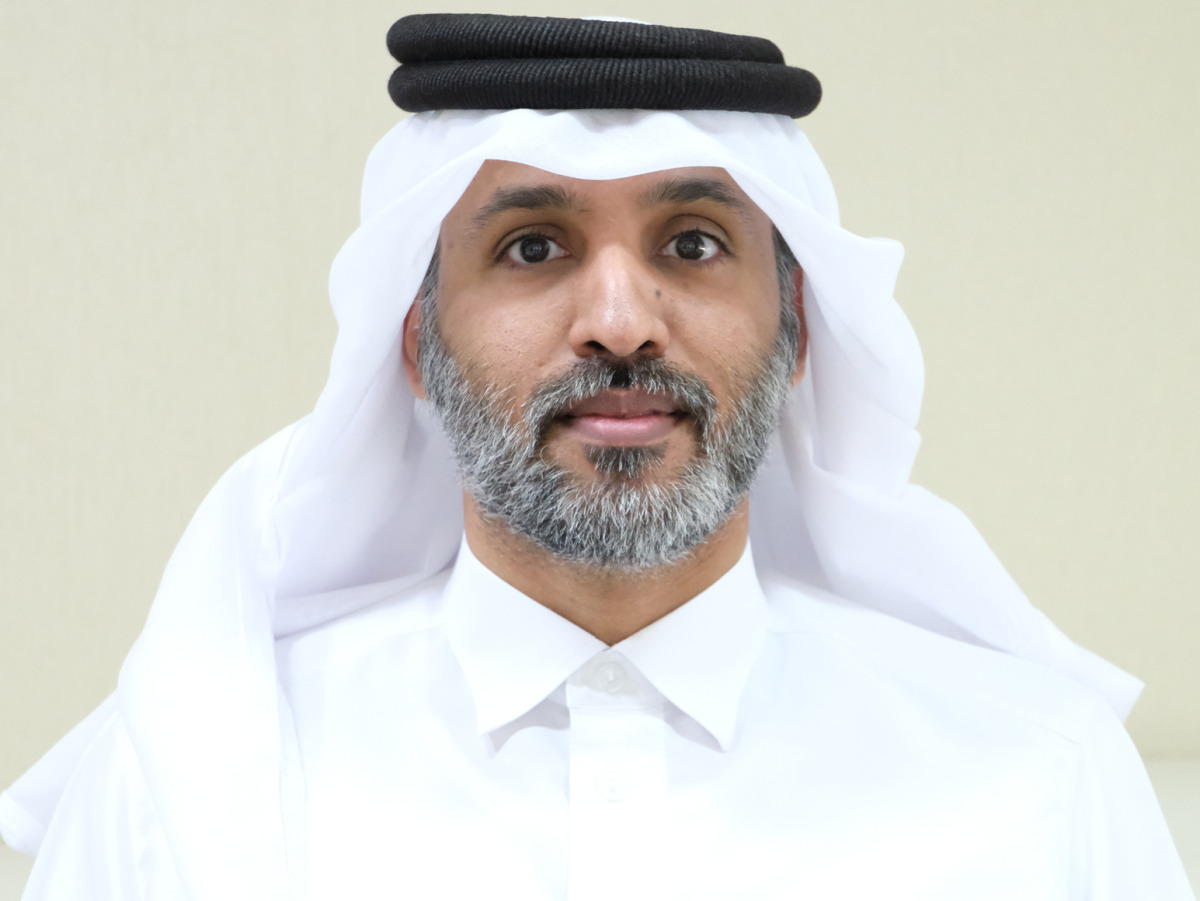
According to Abdullah Saeed Al Marri, Head of the Zakat Affairs Department, the total value of aid distributed during the month reached QR6,824,529, reflecting the vital role of zakat in promoting social stability and supporting low-income and needy families.
Al Marri said the department continues to operate under a clear framework aimed at identifying genuine beneficiaries and addressing their essential needs, thereby improving their quality of life and enhancing family and economic stability.
He explained that QR3,559,100 was allocated to regular monthly assistance programs, which provide continuous support to eligible families to help cover basic living expenses, including housing, food, education, and other essential needs. These programs are designed to reduce financial pressures and ensure a stable standard of living for beneficiaries.
Meanwhile, QR3,265,429 was disbursed through one-time assistance programs targeting urgent and exceptional cases. These included medical treatment support for eligible patients, aid for debtors facing financial hardship, and assistance provided to wounded individuals from Gaza receiving care in Qatar as part of humanitarian support efforts.
Al Marri emphasized that all applications are carefully reviewed through rigorous assessment procedures and clearly defined criteria to ensure zakat funds reach their rightful recipients. Specialised teams conduct social research, evaluate individual circumstances, and verify beneficiaries’ actual needs before assistance is approved and disbursed.
He noted that the department’s work is guided by the objectives of zakat in Islamic law and seeks to reinforce values of solidarity and compassion within society. Beyond providing financial assistance, zakat contributes to strengthening the social and economic resilience of beneficiary families and helps them overcome difficult circumstances.
The department, he added, continues to enhance its services and programs in line with evolving social and economic needs by adopting advanced administrative and technological practices that improve efficiency and accelerate service delivery for both donors and beneficiaries.
Al Marri also expressed appreciation for the trust placed in the department by zakat contributors, describing it as a key motivation for maintaining the highest standards of transparency, responsibility, and accountability in managing and distributing zakat funds.
He stressed that the department’s achievements in social and humanitarian assistance would not have been possible without the commitment of donors who fulfil their zakat obligations, enabling support to reach thousands of families in need and helping them lead more stable and dignified lives.