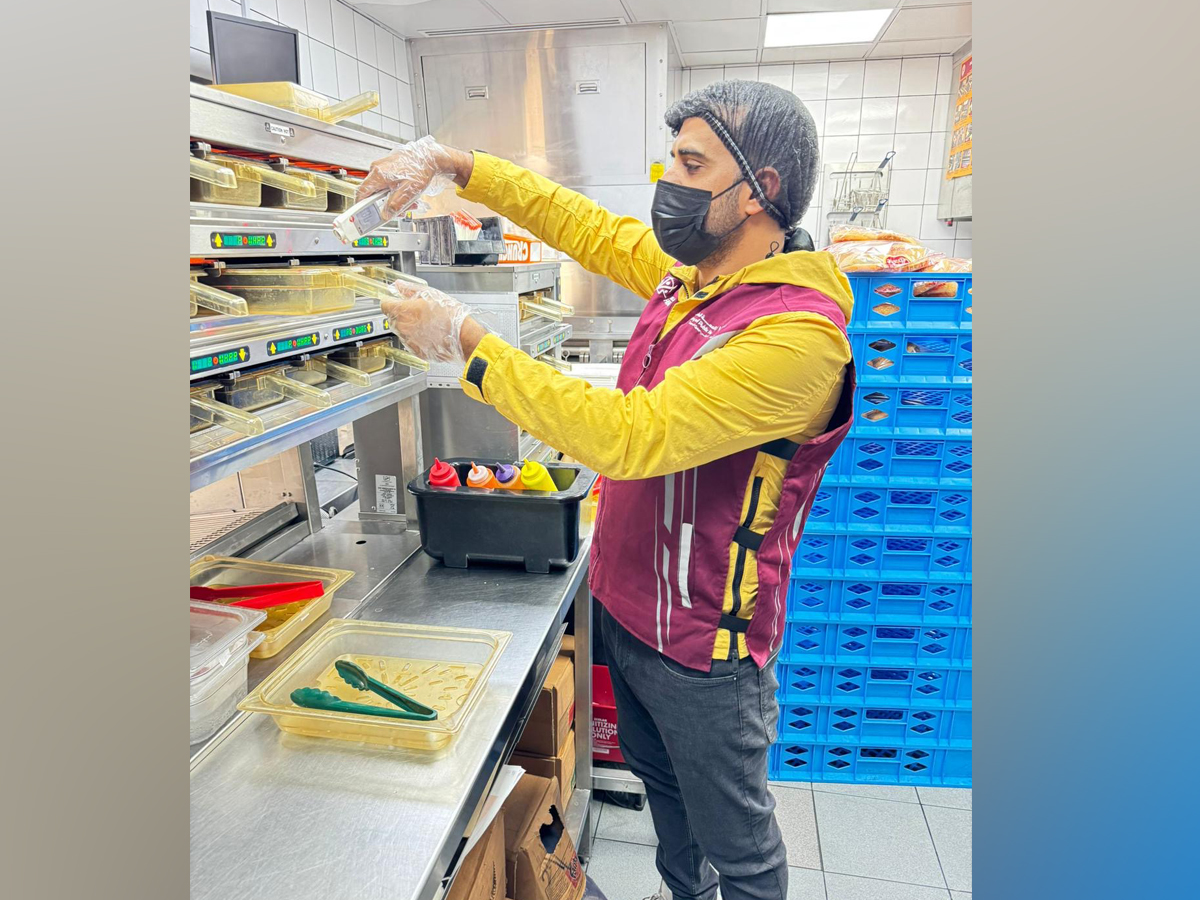
Doha, Qatar: The Ministry of Public Health, MoPH, has developed a comprehensive food safety inspection plan for the State of Qatar during the holy month of Ramadan, as part of ongoing efforts to safeguard food safety and public health, and to protect consumers during a period when demand for food products significantly increases.
The plan aims to strengthen compliance with health requirements and ensure the availability of safe and wholesome food for consumers through inspection visits to more than 2,000 retail outlets, including major consumer complexes and supermarkets, groceries, small points of sale, popular kitchens, and Ramadan Iftar banquets.
Inspections will be intensified at points of entry for food commodities with high consumption during the holy month, such as dates, juices, meat, poultry, sweets, and vegetables, to ensure compliance with applicable technical regulations and approved standards.
The plan gives particular attention to the most in-demand and circulating food items during the holy month, in addition to intensifying testing of raw materials with increased use, such as oils, nuts, and dates, to verify their safety and the absence of contaminants.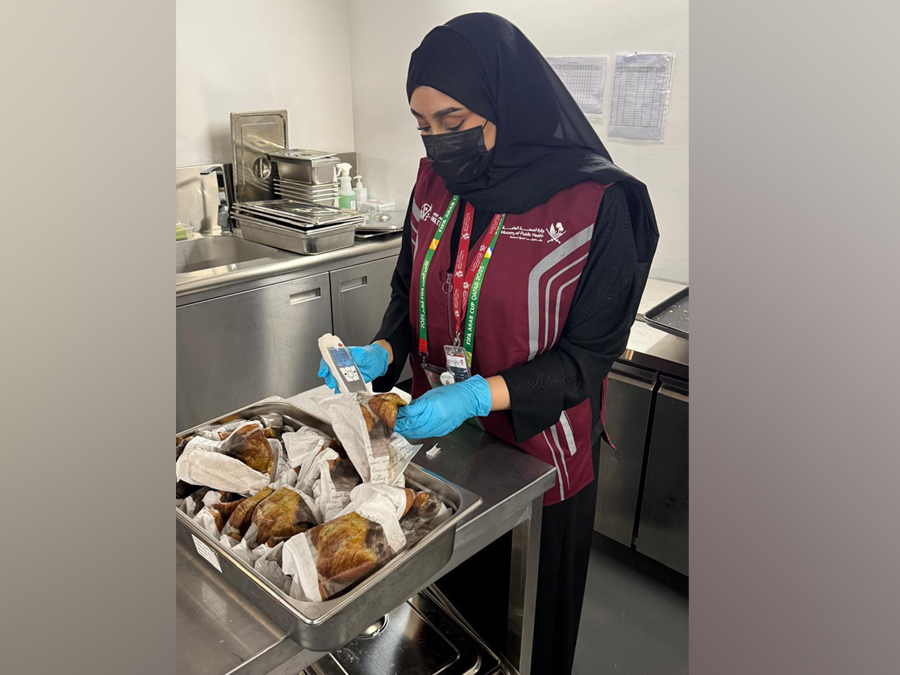 Samples of various food products will also be taken to confirm their safety and compliance with approved standards.
MoPH specialised technical units operating at land, sea, and air points of entry will continue working to ensure efficient, streamlined health control procedures and to facilitate the flow of goods to meet market needs during Ramadan.
Inspection will be intensified at points of entry for food commodities with high consumption during the holy month, such as dates, juices, meat, poultry, sweets and vegetables, to ensure their compliance with applicable technical regulations and approved standards.
To support official control activities, the plan also covers registration, permitting and certification processes to ensure continuity and efficiency of services during Ramadan.
This includes prioritising the review and approval of registration requests for the most commonly consumed food products, as well as permit applications for establishments operating during Ramadan, such as kitchens, restaurants and Ramadan tents.
Procedures will be facilitated as far as possible without compromising approved requirements and conditions and will also strengthen round-the-clock coordination with relevant entities.
The Food Safety Department at MoPH has also focused on enhancing awareness activities to maximise impact. A social media awareness campaign will be launched featuring messages and tips for consumers to promote healthy practices that help protect against food-related risks.
A specialised awareness workshop has already been organised for those in charge of popular kitchens to explain food safety requirements and best hygienic practices for preparation, storage and display, as well as mechanisms to prevent food contamination, with a focus on Ramadan-specific requirements to help raise compliance levels and reduce health risks.
The MoPH stressed that these preparations form part of an integrated preventive approach aimed at reducing food-related health risks and strengthening consumer confidence, emphasising that food safety is a shared responsibility that requires all parties, including food establishments and consumers, to comply with health requirements.