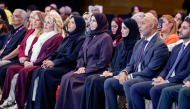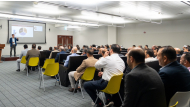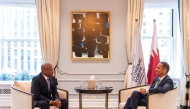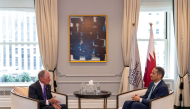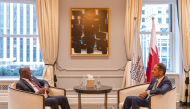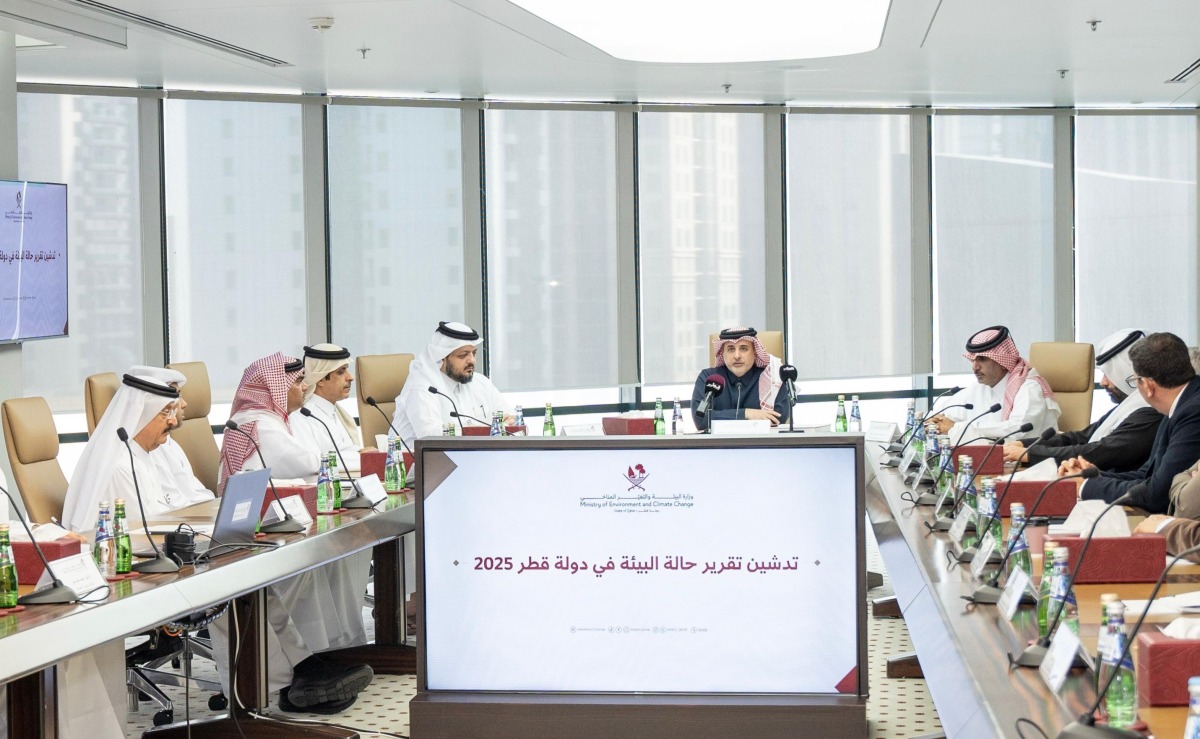
Minister of Environment and Climate Change H E Dr. Abdullah bin Abdulaziz bin Turki Al Subaie launching the State of the Environment Report for Qatar 2025 yesterday.
Doha, Qatar: Minister of Environment and Climate Change H E Dr. Abdullah bin Abdulaziz bin Turki Al Subaie launched the State of the Environment Report for Qatar 2025 yesterday.
The report dealt with the current environmental conditions in Qatar, highlighting key challenges and achievements, as well as priorities for the upcoming period.
This is achieved through an integrated assessment methodology that considers the interrelationship between environmental, economic, and social aspects. The report also addressed issues of environmental governance and sustainable development, identified influential factors and pressures and contributed to supporting integrated planning efforts.
The report reflects the Ministry of Environment and Climate Change’s (MoECC) commitment to the principle of transparency and access to environmental information. It also contributes to raising public awareness and enhancing the participation of various sectors in achieving the Sustainable Development Goals.
In a statement, the Minister affirmed that the report’s release was part of the institutional efforts to develop the environmental framework in the country and provide a database and accurate indicators that contribute to supporting the formulation of policies on clear scientific foundations. He noted the report’s alignment with Qatar National Vision 2030 and its support for national directions in the areas of environmental protection and achieving sustainable development.
Dr. Al Subaie emphasised the importance of this report as a supportive tool for decision-makers, helping to guide environmental policies and update relevant national plans. He also highlighted its role in enhancing coordination among stakeholders, stressing that it represents a national scientific reference that supports the preparation of national reports related to environmental commitments at the regional and international levels.
The Minister pointed out that the report is the culmination of efforts by many experts, researchers, specialists, and academics, totalling nearly 80 participants. The preparation, analysis, and review phases took approximately one year.
Undersecretary of MoECC Eng. Abdulaziz bin Ahmed bin Abdullah Al Mahmoud said that the 2025 State of the Environment Report provides a comprehensive overview of the country’s environment. This is achieved through the collection and analysis of environmental data and indicators related to various environmental components. He noted its role in monitoring the state of the environment and related issues within a systematic framework that allows for an understanding of current conditions and changes that have occurred between 2021 and 2024.
Eng. Al Mahmoud said that the report contributes to standardising work frameworks among relevant departments, organising monitoring and follow-up processes, and linking the results to the Ministry’s existing programmes and implementation plans. He pointed out that the updated environmental information it contains supports improved internal coordination mechanisms and helps in monitoring the implementation of responsibilities for each entity, according to clearly defined roles.
He said the report provides a practical basis for developing environmental work procedures and enhancing institutional performance. It is part of the Ministry’s efforts to prepare periodic reports monitoring the state of the environment in the State of Qatar and making information available to support institutional work and strengthen coordination among relevant entities.