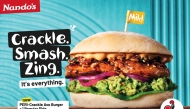
Sydney: People who feel strongly attached to well-known fast-food and sugar-sweetened beverage brands may have poorer overall diets, despite nutrition warnings, a new study suggests.
The study found that psychological loyalty to fast-food brands was a strong predictor of people's saturated fat and sugar intake, according to a statement recently released by Australia's University of Technology Sydney (UTS).
Researchers conducted two studies involving adults in Australia and the United States, assessing their attitudes toward fast-food and beverage brands, perceptions of their healthiness and overall dietary habits.
A poor diet can fuel obesity, type 2 diabetes, heart disease and some cancers, while aggressive fast-food marketing may contribute to diet-related diseases, according to the study published in the Journal of Health Communication.
The research found that participants who liked fast-food brands not only consumed more fat and sugar, but also tended to perceive those brands as healthier.
"Nutritional knowledge plays a role, but the strongest predictor of health ratings is how much they like the brand," said senior author Mike Kendig, a senior lecturer at UTS.
The findings suggest that repeated exposure to branding could build familiarity and positive feelings that influence health perceptions and dietary choices.
The researchers called for greater awareness of the influence of food marketing and stronger restrictions on junk-food advertising, saying marketing was shaping diets at a population level.