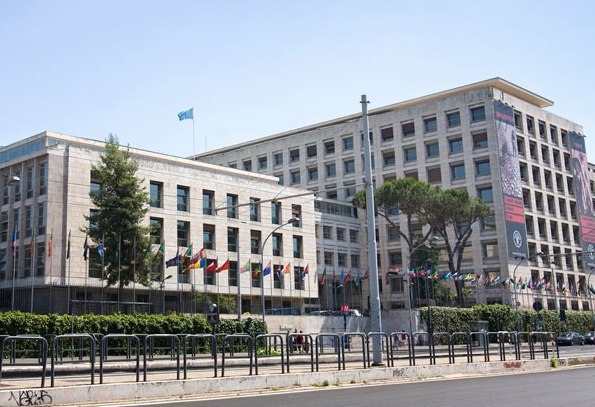
Rome, Italy: The Food and Agriculture Organization of the United Nations (FAO) warned on Monday, April 13, 206, that the current and upcoming agricultural seasons could be affected if the Strait of Hormuz remains closed and fertilizer shipments are disrupted.
According to FAO estimates, between 20 and 30 percent of global fertilizer supplies pass through the Strait of Hormuz or depend on natural gas exported via the waterway.
FAO's Chief Economist, Maximo Torero said time is running out, warning that if fertilizer-laden vessels are unable to exit the strait, key inputs to the global food system will be affected, with broader consequences for economic activity and daily life across multiple sectors.
He noted that around 20 percent of natural gas passing through the Strait of Hormuz is currently disrupted, adding that gas is a key input in the production of nitrogen-based fertilizers.
He further warned that failure to align with agricultural cycles and ensure timely availability of inputs, particularly fertilizers, would force farmers to proceed without them, impacting both the current and next planting seasons and reducing crop yields.
Global markets continue to experience volatility due to the war in the Middle East, which has driven up oil and natural gas prices, increased inflationary pressures, and affected agricultural sector.
The statement comes after the United States and Iran concluded talks in Pakistan on Sunday without reaching an agreement, amid mutual accusations over responsibility, while a two-week ceasefire announced on April 8 remains in effect.