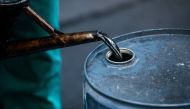
A fuel tanker passes the Mobil fuel distribution centre in the Melbourne suburb of Yarraville on March 12, 2026 as the demands and prices of petrol and diesel soar due to the Middle East conflict. (Photo by William West / AFP)
Sydney, Australia: Australia will adjust fuel quality standards to allow higher sulfur levels for around two months in a move that will release 100 million litres into the domestic supply, officials said Thursday.
The country -- reliant on oil imports for fuel -- has seen petrol prices spike since the outbreak of the war in the Middle East.
In response, Energy Minister Chris Bowen said one of the country's top refiners, Ampol, has agreed to redirect supply to regions experiencing shortages and the wholesale market.
"This will allow around 100 million litres a month of new petrol supply that would otherwise have been exported to be blended instead into Australian domestic supply," Bowen said.
Farmers, fishers and regional communities were a priority for support, he said.
Oil prices on Thursday topped $100 a barrel again after Iranian attacks on shipping effectively closed the Strait of Hormuz in response to the US-Israeli strikes.
Australia's government has blamed price-gouging by retailers for rising domestic costs of fuel.
Treasurer Jim Chalmers said that while the country has "enough fuel", there were supply issues, particularly in rural areas.
"This conflict in the Middle East is already putting additional pressure on Australians, we understand that," he told national broadcaster ABC.
The International Energy Agency said on Wednesday its member countries would unlock 400 million barrels of oil from their reserves to ease the impact of the Middle East war -- the biggest such release ever.
The coordinated release was the sixth in the history of the organisation, which was created to coordinate responses to major supply disruptions after the 1973 oil crisis.
Australia, an IEA member, has said its contribution will be focused on the domestic market.