Ferhan Sakal from Qatar Museums applies plaster bandages to protect the fossils of a 21-million-year-old sea cow from the Al Maszhabiya site in southwestern Qatar. Picture: Nicholas D. Pyenson / Smithsonian Institution
Doha, Qatar: Scientific history was made yesterday as a major international study, published in the rigorously peer-reviewed open access journal, “PeerJ”, officially names a new species of ancient marine mammal found right here in Qatar: Salwasiren qatarensis.
The discovery, resulting from a collaboration between the Smithsonian Institution and Qatar Museums (QM), confirms that the Arabian Gulf has been a prime habitat for dugongs and their ancestors for over 20 million years. The newly described species is a smaller, ancient relative of the modern dugong (Dugong dugon). The official naming holds immense national significance: The genus, “Salwasiren,” references the vital Bay of Salwa, a key habitat for the Gulf’s largest single herd of dugongs today. The species name, “qatarensis,” is a direct and proud acknowledgment of the State of Qatar as the site of the finding.
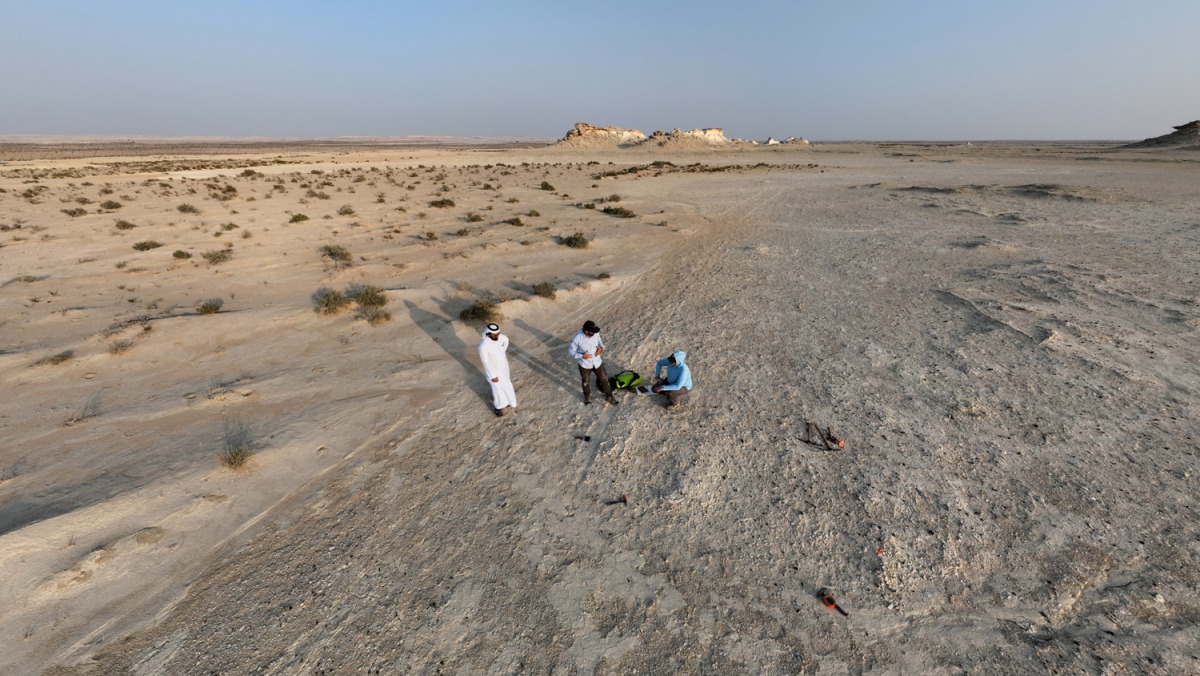
Dr. Ferhan Sakal, an archaeologist and Head of Excavation and Site Management at Qatar Museums and a co-author of the paper, highlighted the importance of this designation: “It seemed only fitting to use the country’s name for the species as it clearly points to where the fossils were discovered. This collaboration is ensuring we provide the best possible protection and management for these sites.” The research centres on the Al Maszhabiya fossil site in southwestern Qatar.
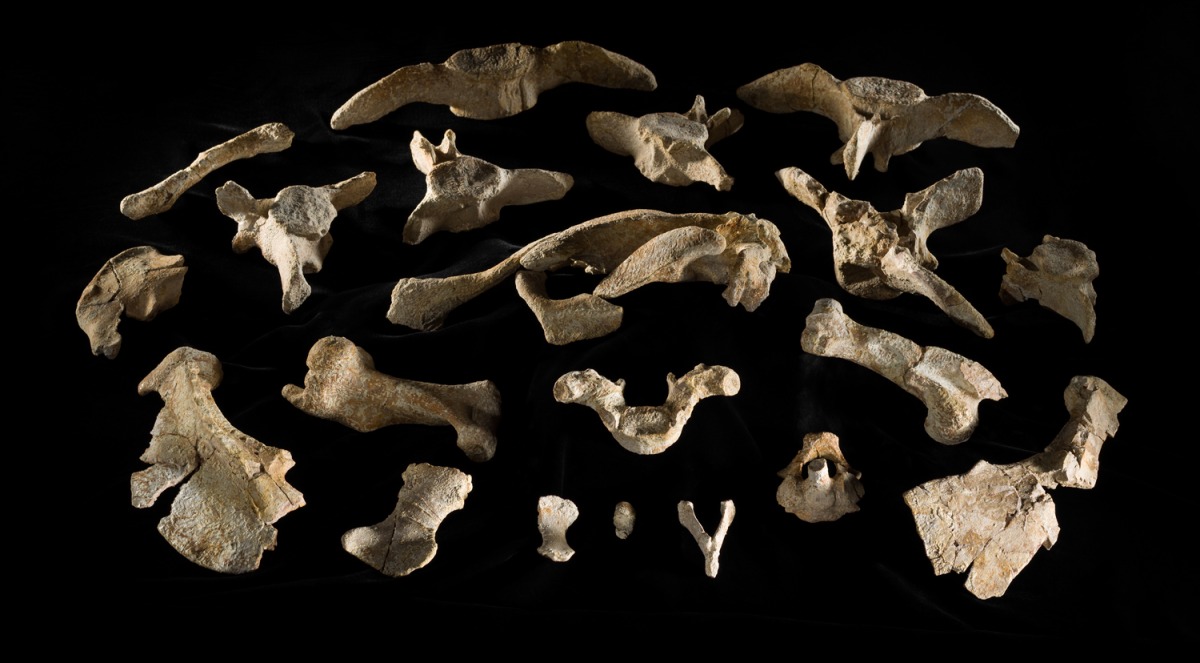
The deposit, dating back to the Early Miocene epoch (around 21 million years ago), contains over 170 fossil sea cow localities. This makes Al Maszhabiya the richest assemblage of fossilised sea cow bones in the entire world.
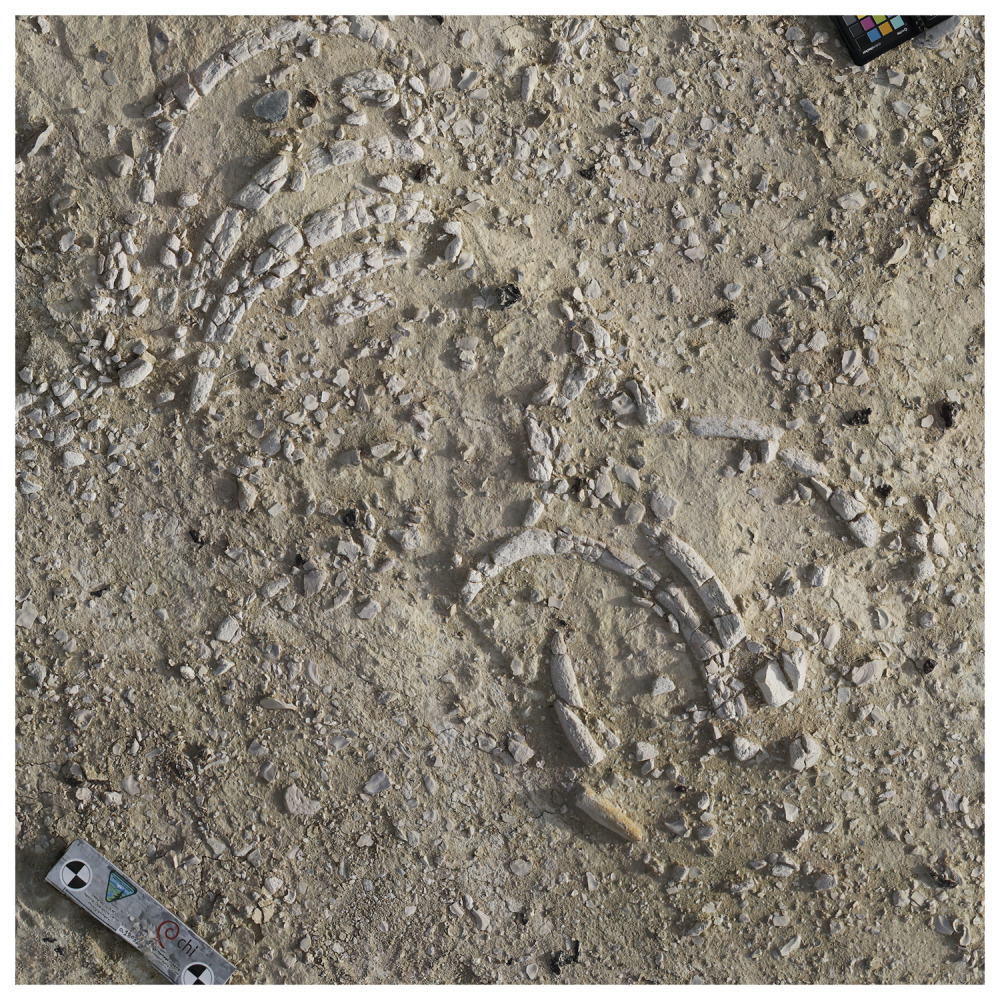
Dr. Nicholas Pyenson, curator at the Smithsonian’s National Museum of Natural History, confirmed that the density of the find proves that the ancient Salwasiren qatarensis played the same ecological role as the modern dugong—acting as one of the region’s ‘ecosystem engineer’ by maintaining the vital seagrass meadows.
The study provides crucial historical context for the conservation of today’s marine environment.