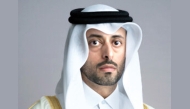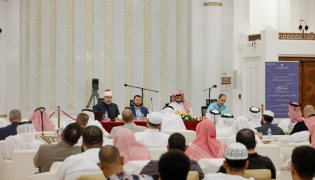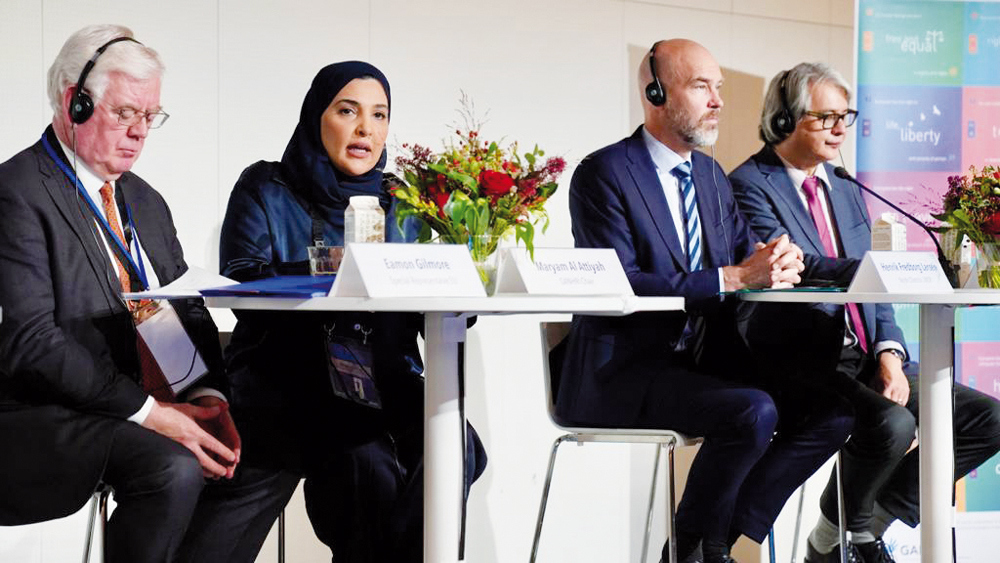
President of the Global Alliance of National Human Rights Institutions (GANHRI) and Chairperson of Qatar National Human Rights Committee (NHRC) Maryam bint Abdullah Al Attiyah addressing the conference.
Doha, Qatar: President of the Global Alliance of National Human Rights Institutions (GANHRI) and Chairperson of Qatar National Human Rights Committee (NHRC) Maryam bint Abdullah Al Attiyah underlined that torture and other forms of ill-treatment not only constitute gross human rights violations, but are also incompatible, in terms of substance, with the values espoused and protected by national human rights institutions.
This came in Al Attiyah’s address before the 14th International Conference of National Human Rights Institutions “Torture and Other Ill-treatment: The Role of National Human Rights Institutions (NHRIs)”, which was organised by GANHRI in Copenhagen, Denmark.
Al Attiyah highlighted the Alliance’s focus on collective action in confronting torture and other forms of ill-treatment. This focus comes at a historic moment for human rights advocates everywhere, including national human rights institutions, while marking the 30th anniversary of the adoption of the Paris Principles, and the 75th anniversary of the adoption of the Universal Declaration of Human Rights - both founding documents for the work of national human rights institutions around the world.
NHRIs, thanks to their unique and broad mandate to promote and protect human rights, play a very crucial role in ensuring that states fulfill their obligations to address and prevent torture and ill-treatment, and in helping states ensure and secure these obligations for all human beings in practice, and even holding them accountable for the lack of progress in implementation, Al Attiyah said; noting that NHRIs have been working in an increasingly complex human rights environment, and the profound impact of the COVID-19 pandemic has continued to cast its tangible shadows in all regions, in addition to the raging wars and conflicts.
She underlined that GANHRI will continue to work closely with regional networks, the United Nations Development Programme, the Office of the High Commissioner for Human Rights to support and enhance the capabilities of its members, and ensure the work of national human rights institutions independently and effectively in order to promote and protect human rights and fundamental freedoms on the ground.
The first day of the conference discussed the essential roles of NHRIs in addressing torture in the current era; while a second session touched on the national preventive mechanisms and their specific roles and impacts on the work of NHRIs in the field of torture prevention. The third session provided an overview of some of the main serious challenges facing national human rights institutions regarding the prohibition and prevention of torture or cruel, inhuman or degrading punishment in our time, with a particular emphasis on victims and persons and groups at risk.
On the sidelines of the conference, Al Attiyah met with the Special Representative of the European Union for Human Rights Eamon Gilmore. The meeting aimed at achieving further progress in the talks held in October 2023 between the GANHRI and the European Commission in terms of exploring opportunities to enhance partnership, cooperation and exchange of information on major human rights issues, providing a platform for exchanging views and discussing challenges and ways to develop appropriate solutions to them, as well as ways to enhance cooperation with the European Commission.