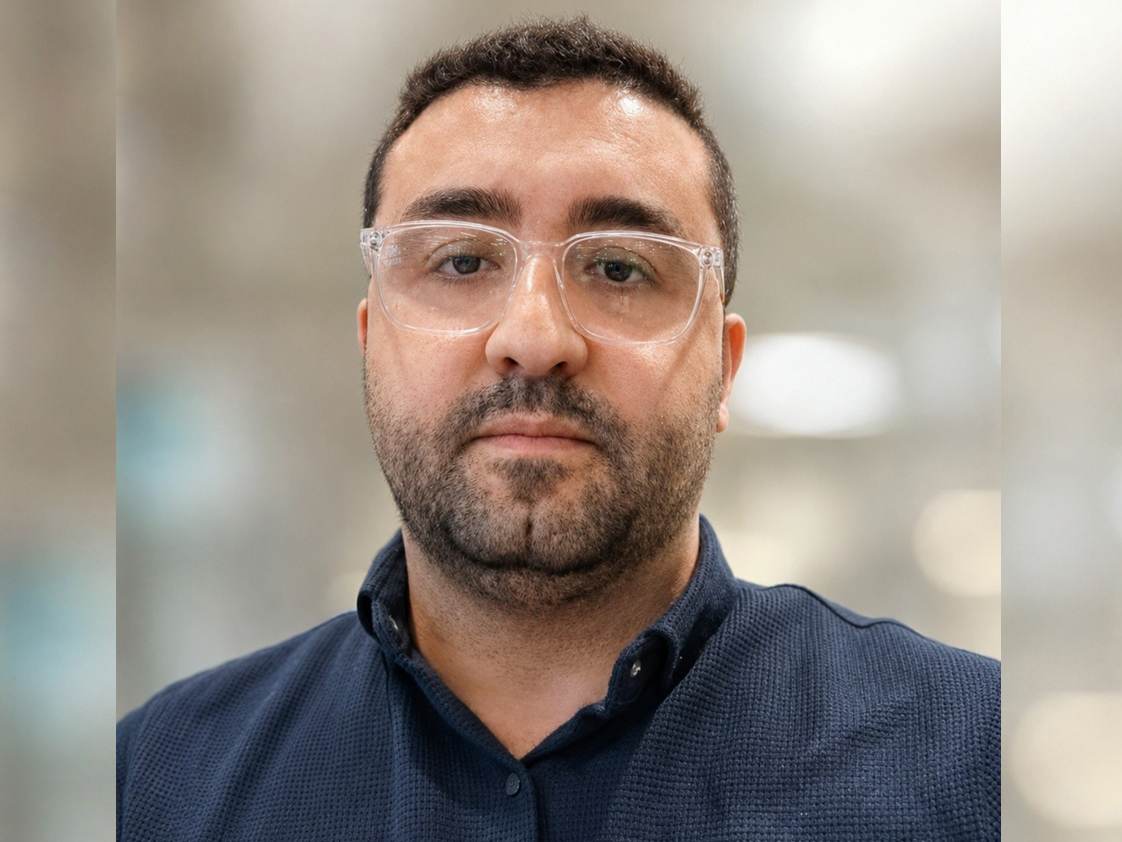
Specialist Paediatrician at Al Mashaf Health Centre of the Primary Health Care Corporation (PHCC), Dr. Sufian Bani Awad
Doha, Qatar: Allergies are among the most common health conditions affecting children and may present in various forms, including allergic rhinitis, allergic asthma, eczema, food allergies, drug allergies, and insect sting allergies.
Specialist Paediatrician at Al Mashaf Health Centre of the Primary Health Care Corporation (PHCC), Dr. Sufian Bani Awad explains that allergies may initially present with seemingly mild symptoms such as frequent sneezing, nasal congestion, nighttime coughing, itching, or skin rashes. As a result, parents may mistake them for a common cold or a temporary condition.
However, when these symptoms recur or are associated with a particular season, food, or medication, they may serve as an early warning sign from the child’s body that warrants medical attention and evaluation.
Allergies occur when the immune system overreacts to substances that are normally harmless to most people, such as dust, pollen, animal dander, and certain foods.
The severity of allergic reactions varies from one child to another. While some cases are mild and limited, others may progress to severe reactions requiring urgent medical intervention.
Early detection is essential because it enables healthcare providers to identify the type of allergy and its triggers and to initiate appropriate treatment before the condition affects the child’s health and daily life.
For example, recurrent nighttime coughing may deprive a child of restful sleep, while uncontrolled allergic rhinitis can impair concentration and academic performance.
Persistent eczema may cause continuous itching, discomfort, and sleep disturbances. Early diagnosis of food allergies or asthma also helps families recognize warning signs and respond appropriately in emergency situations.
Dr. Sufian emphasises that the effects of allergies extend beyond physical symptoms to include psychological, social, and educational aspects of a child’s life.
Children may avoid playing or participating in sports for fear of triggering symptoms, and they may miss school frequently. At the same time, families often experience ongoing anxiety and uncertainty. When an allergy is accurately diagnosed and a clear treatment and prevention plan is established, children are better able to lead safe, active, and fulfilling lives, while families gain confidence in managing the condition.
Improving the quality of life of a child with allergies is therefore not limited to controlling symptoms. It also involves helping the child sleep better, participate in daily activities, attend school regularly, and grow up in a safe environment free from unnecessary restrictions.
The goal is not for children to live in fear of their allergies, but rather to understand their condition, manage it confidently, and enjoy their childhood to the fullest.
Dr. Sufian notes that PHCC plays a pivotal role in allergy care through its network of health centres across Qatar.
The care journey begins with receiving the child, taking a thorough medical history, conducting a comprehensive clinical examination, and assessing symptom patterns and associated triggers. An individualized treatment and follow-up plan is then developed, while parents receive health education on avoiding triggers, using medications correctly, and recognizing warning signs that require medical attention or emergency care.
PHCC also provides ongoing follow-up to monitor treatment response and coordinates referrals to appropriate specialist services whenever advanced investigations or further evaluation are required.
This integrated approach across different levels of care ensures that children receive the right care at the right time while maintaining continuity of care and supporting families throughout every stage of treatment.