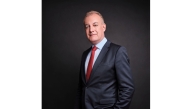
Prof. Dr. Khalid bin Ibrahim Al Sulaiti, Vice Chairman of Bait Al-Mashura Finance Consultations
Doha, Qatar: Bait Al-Mashura Finance Consultations (BAM) released the annual report on Islamic Finance in Qatar, which reviews the performance of Islamic finance institutions in Qatar, including Islamic Banks (IBs), Takaful Insurance companies (TIs), and Islamic Finance and Investment companies (IFIs) during the year 2022. It also reviews Islamic financial products, including investment funds, sukuk, and the movement of the Islamic financial market. It aims at offering a knowledge base to the institutions, researchers, and those who are interested in the Islamic finance at the local level. It also presents the results of the year 2022 along with the accumulated study of the five years.
Prof. Dr. Khalid bin Ibrahim Al Sulaiti, the vice chairman of BAM, asserted that Islamic Finance endeavors to establish a fair financial system that promotes moral values and strives for the economic well-being of the individual and society on the basis of transparent, well-governed foundations. Transparency and clarity are fundamental pillars for stakeholders in legitimate financial transactions. Hence, the role of reports that support such a purpose and illustrate the weaknesses and strengths in the industry, development, and innovation areas. We, at Bait Al-Mashura, are keen to strengthen such rules, which are considered a basic starting point for researchers, interested parties, and even institutions, through our series of reports, research, and studies that discuss the Islamic finance sector in Qatar, and give a clear picture of its reality and a forward-looking vision for its future.
He also stated that the Qatari economy outperformed projections in 2022, expanding at a rate of 4.8%. The Planning and Statistics Authority in Qatar estimates that the country’s GDP at constant prices (2018) reached QR690.1bn, up from QR658.3bn in 2021. At current prices, the GDP rose to QR863.8bn, a 32% increase from 2021. The projected GDP growth rate for the fiscal year 2023 is anticipated to surpass 3%. The financial and insurance activities sector made a significant contribution to the GDP, accounting for 8.1% of the total. This amounted to QR70.4bn at current prices, representing a growth rate of 11.9% compared to the previous year of QR62.9bn.
The Islamic Finance in Qatar Report for the year 2022 revealed that FIFA World Cup Qatar 2022 has been successfully hosted by Qatar; and various economic sectors in the country were highly affected by such event, and the financial and economic policies taken by the government in controlling the financial and banking sector and openness towards diversifying economic activity led to the economy of Qatar overcoming the economic and banking fluctuations in economies and markets globally during 2022.
As per the Islamic Finance in Qatar Report, during the year 2022 the Islamic finance assets in Qatar grew by 6.5%, reaching QR635bn ($174bn), of which Islamic banks accounted for 87% of such assets, while Islamic Sukuk accounted for 11.3%.
The report covered the growth of assets in different sectors. Thereby it’s noticed that the assets of Islamic banks in 2022 grew by 7.3%, reaching QR544.3bn, deposits grew by 1.6%, accounted for QR317.8bn, private sector deposits accounted for 54%, financing increased by 12.3% accounting to QR380.5bn, heading more towards the real estate sector and the government sector, and followed by personal finance, revenues increased by 18.1% and amounted to QR23.3bn, and its profits amounted to approximately QR7.7bn with a growth rate of 2.8%.
In Takaful insurance sector, the assets of Takaful insurance companies amounted to approximately QR5bn, with a growth of 11.9%, policyholders’ assets amounted to approximately QR2.6bn, with a growth of 8.9%. Insurance contributions reached QR1.5bn, an increase of 9.3%. The business of Takaful insurance companies was varied between achieving insurance surpluses amounting to approximately QR73.4m, and an insurance deficit amounting to QR5.7m.
In Islamic finance companies, the assets of these companies amounted to QR2.5bn, down by (1.9%), financing provided by these companies decreased by 3.3% amounting to QR1,69bn, and revenues amounted to QR224,5bn with an increasing rate of 2%, revenues from financing and investment activities accounted for 90% of such total revenues, and the results of the business of Islamic finance companies’ business varied between achieving profits in total exceeded QR125.7m in total, and losses of approximately QR8m.
In Islamic investment companies, the assets of the two Islamic investment companies grew by 1.3%, amounting to QR509n, and their revenues amounted to QR62.3m, a growth of 52.8%, and their profits exceeded QR16m.
In Islamic Sukuk, Issued Islamic Sukuk decreased by (48%), as Islamic banks stopped issuing Sukuk during 2022, and Qatar Central Bank issued Sukuk in the amount of QR5.4bn during the year, a decrease of (29%) compared to 2021.
In Islamic investment funds, the assets of such funds exceeded QR910m, declining marginally by (0.9%), and their performance varied during the year.
On Qatar Stock Exchange, the Al Rayan Islamic index closed down by (2.66%), and the performance of the shares of listed Islamic finance companies varied between an increase of 13% and a decrease of (36%).
The report unveiled that the Islamic finance sector in Qatar is diversed in four main sectors; Islamic banks, Takaful insurance companies, Islamic finance companies, Islamic investment companies, and Islamic finance products represented in Islamic Sukuk, investment funds, and indices.
These institutions operating in these financial sectors are under the direct supervision of Qatar Central Bank; in addition, some financial institutions conduct Islamic finance activities within the framework of Qatar Financial Center.
The report highlighted that the Banking sector in Qatar is now including four Islamic banks out of sixteen, including four conventional domestic commercial banks, a specialized bank (Qatar Development Bank), and seven branches of conventional foreign banks, in addition to a representative office for a foreign bank. QInvest, Qatar First Bank (QFB), and Abu Dhabi Islamic Bank (Qatar branch) operate in the field of banking and Islamic investment banking under the supervision of Qatar Financial Center Authority. Qatari Islamic banks operate through a network of internal and external branches amounting to more than 66 branches.
The report indicated that many insurance companies operate under the supervision of Qatar Central Bank, including five independent Takaful insurance companies, namely: Qatar Islamic Insurance Company, Alkhaleej Takaful Insurance Company, Damaan Islamic Insurance (Beema), General Takaful Company of the General Insurance and Reinsurance Company, and Doha Takaful Company of Doha Insurance Group. Five national domestic insurance companies and four branches of foreign conventional insurance companies also operate in this sector, in addition to representatives of three domestic insurance companies.
Similarly, three Islamic finance companies beside a couple of investment companies and five Islamic Investment Funds are operating under the umbrella of QCB. The five Islamic Investment Funds are Investment House, Al Rayan GCC Fund (Q), Al Rayan GCC Fund (F), TFI Securities Fund, and Al Rayan Qatar ETF (QATR).
These funds are operational inside as well as outside of Qatar beside the QE Al Rayan Islamic Index. The index is considered as one of the indicators of total return as it reflects the performance of the price, the income obtained from reinvestment, and the distribution of the dividends of the shares of the listed companies.