KABUL: Among the many battles being waged in Afghanistan, the fight for a strong local press corps is losing soldiers by the dozens.
During the past 10 months, about 300 Afghan journalists have fled the country for safer ground, many of them to Europe, according to a new survey released by NAI, a group in Kabul that promotes an independent news media in the country.
"Fifty or 60 of those 300 journalists are women," said Abdul Mujeeb Khelwatgar, executive director of NAI. "They mostly have gone to Europe, and in particular to Germany."
The exodus of print reporters, TV anchors and cameramen is part of the larger wave of Afghans leaving the country amid dwindling security during the start of the so-called "fighting season," when Taliban attacks start making regular headlines.
They include some prominent local journalists, such as Shakila Ibrahimkhail, a veteran female TV reporter with the popular Tolo News channel in Kabul who often raced to the site of the latest bombing to document the fear and aggravation stifling her country.
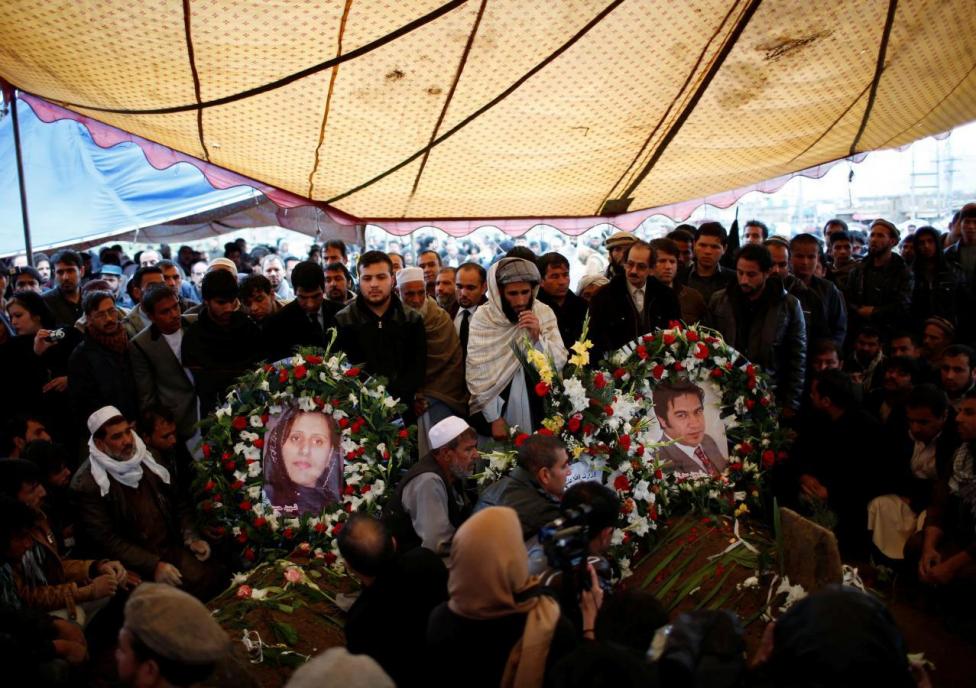
She fled with her children to Turkey, shortly after seven of her colleagues were killed in a suicide bomb attack in January - among the scores of journalists killed since the United States ousted the Taliban government in 2001.
For those left behind, the journalists' departure undermines a push by U.S. officials and others to create a strong independent media that holds both the Afghan government and Taliban insurgents accountable, while tapping into Afghanistan's cultural pride through feature stories about local art or music.
The United States alone has spent at least $110 million on that effort during the past 15 years, contributions that have led to new media ventures and new.
Ahmad Quaishi, executive director of the Afghanistan Journalists Center, said he is skeptical that as many as 300 journalists have fled since last summer. But, he said, there's no disputing that many in the industry are leaving after suffering threats from both Taliban commanders and officials with the Afghan government, he said.
There's also the fact that many of those reporters and TV cameramen often don't earn enough to justify those risks, Quraishi said.
"Reasons vary -- threats posed from individuals and groups, growing insecurity, lack of any health and life insurance, lack of job security and lack of hope for future of this country," Quraishi said.
Washington Post