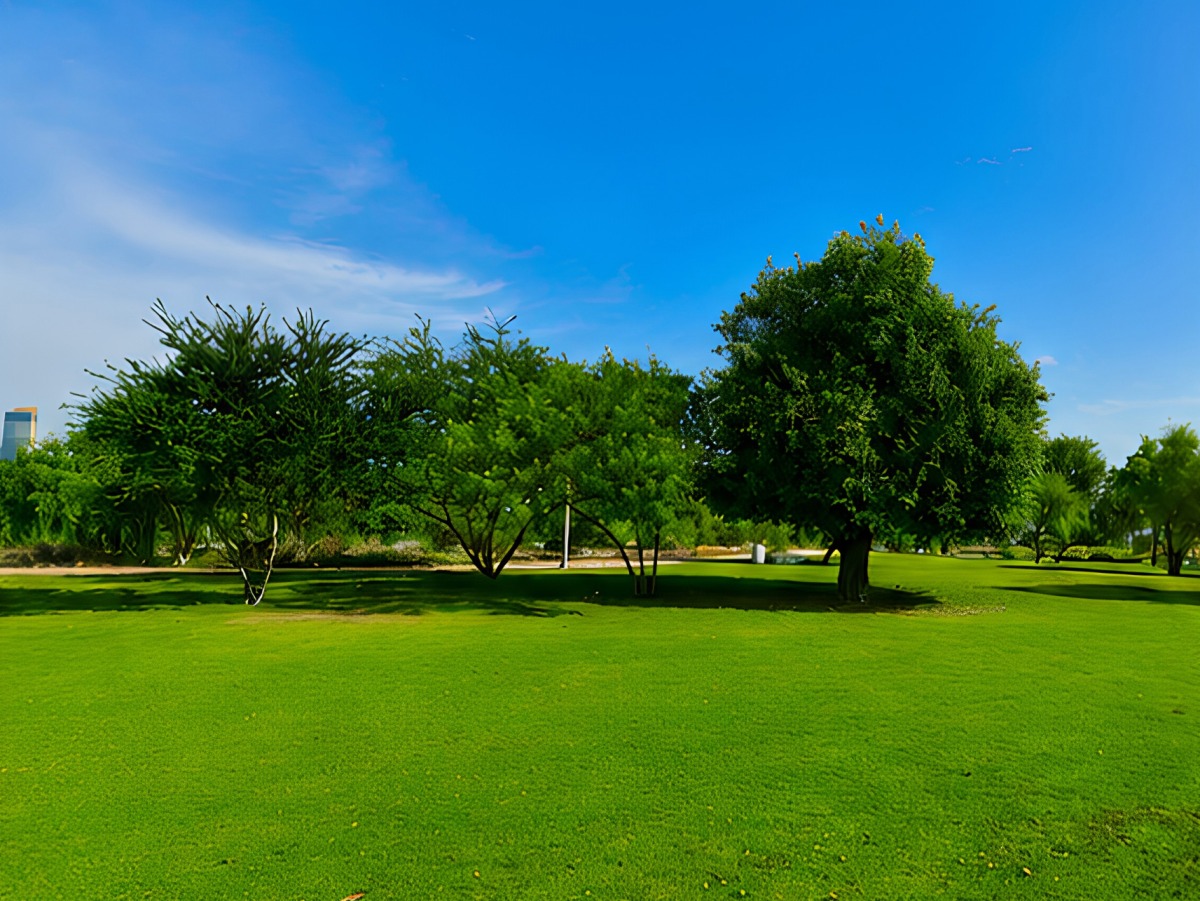
Doha, Qatar: Qatar has significantly expanded its urban greenery, with the country’s total green area reaching 21.9 million square metres and the average share of green space per person rising to 6.8 square metres in 2025, underscoring the nation’s commitment to environmental sustainability and quality of life.
The achievement reflects ongoing efforts by the Ministry of Municipality to enhance public spaces, support biodiversity, and create a healthier environment in line with the objectives of Qatar National Vision 2030.
As Qatar marks World Environment Day, the Ministry of Municipality has highlighted a series of achievements that demonstrate the country’s progress in environmental sustainability, urban greening, and resource conservation.
Among the most notable accomplishments is the expansion of green spaces across the country. Sharing the figures on X, the ministry said that the growth reflects the state’s long-term strategy to improve urban landscapes, enhance environmental quality, and provide residents with greater access to recreational and natural spaces.
The expansion of green areas forms part of broader efforts to strengthen environmental resilience and improve quality of life. Public parks continue to play a central role in this strategy, with the number of parks expected to reach 156 by 2026. These facilities provide communities with accessible outdoor spaces while contributing to improved air quality and urban biodiversity.
Supporting the country’s greening efforts is a focus on sustainable water management. The Ministry of Municipality reported the distribution of 1,864 environmentally friendly irrigation network systems, benefiting 715 farms across the country. The initiative aims to improve irrigation efficiency, conserve water resources, and support sustainable agricultural practices in Qatar’s arid climate.
The ministry also highlighted significant progress in waste management and recycling, reinforcing the country’s commitment to a circular economy. During 2025, more than 755,000 tonnes of waste were processed through various recycling and treatment facilities. Recycling operations enabled the recovery of approximately 4 million tonnes of construction materials, helping reduce landfill use and promote the reuse of valuable resources within the construction sector.
Additional achievements included the treatment of more than 10,470 tonnes of discarded tyres, preventing environmental hazards while supporting recycling initiatives. Waste-to-energy projects also contributed to sustainability goals by generating 276,000 megawatt-hours of electricity, demonstrating how waste can be transformed into a valuable energy resource.
Meanwhile, recycling activities produced 34,213 tonnes of compost, which can be used to enrich soil and support landscaping and agricultural projects. The production of compost contributes to reducing organic waste while promoting sustainable land management practices.
The Ministry of Municipality stated that these achievements reflect Qatar’s comprehensive approach to environmental protection and sustainable development. Through initiatives focused on afforestation, green infrastructure, recycling, resource efficiency, and public cleanliness, the ministry continues to support national efforts to build a more sustainable future.
Led by the United Nations Environment Programme (UNEP) and held annually on 5 June since 1973, World Environment Day is the largest global platform for environmental public outreach and is celebrated by millions of people across the world.
On World Environment Day, the ministry reaffirmed its commitment to advancing environmental initiatives that protect natural resources and enhance the well-being of future generations. These efforts align closely with Qatar National Vision 2030, which places sustainability and environmental development at the heart of the country’s long-term growth strategy.