File picture of Qatar Red Crescent Society in Doha
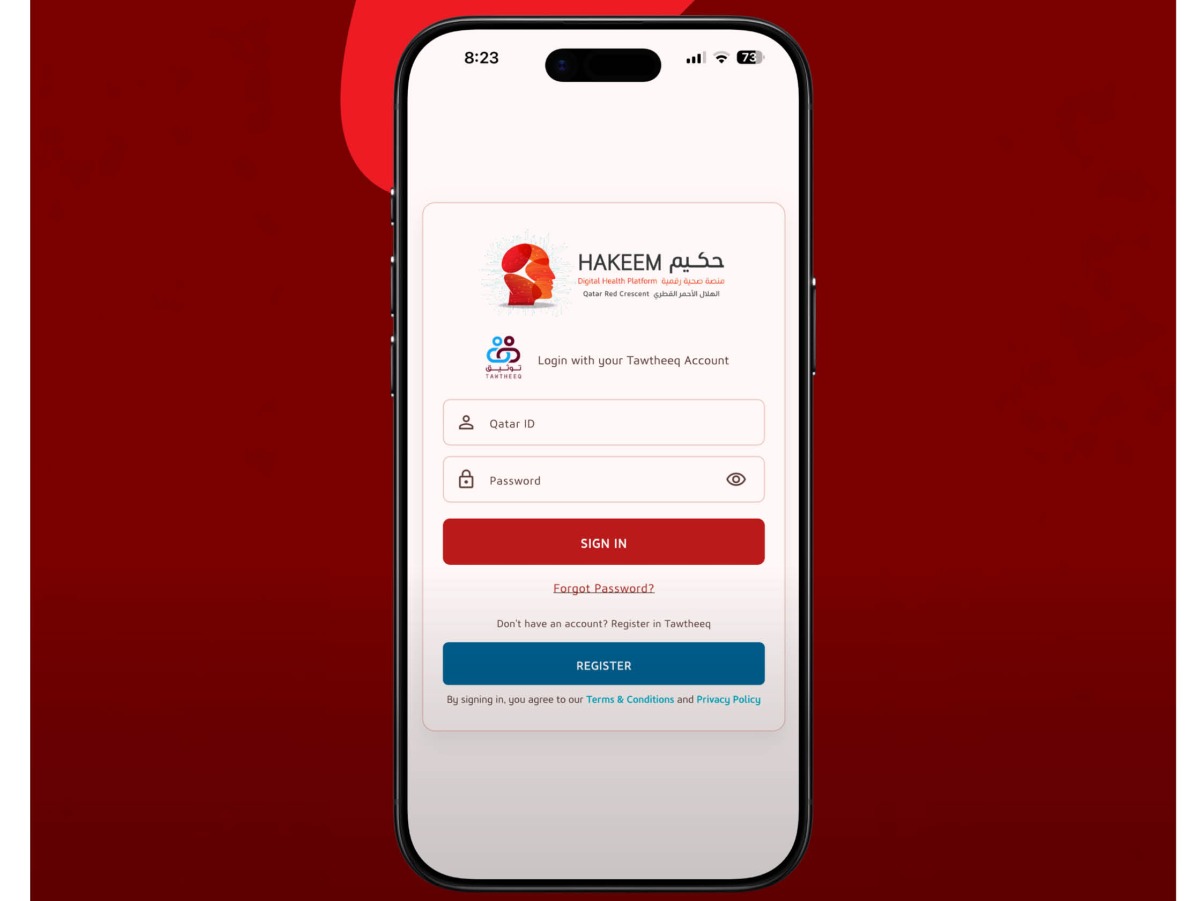
Doha, Qatar: The Qatar Red Crescent Society (QRCS) is reporting significant improvements in patient flow and service efficiency following the rollout of its “Hakeem” digital health platform, designed to reduce waiting times and simplify procedures at workers’ health centres.
In a recent interview with Qatar TV, Ahmed Saud Jassim, Director of Administrative and Financial Affairs at the Medical Affairs Division of QRCS, highlighted the platform’s growing impact, noting that it is helping to manage high patient volumes exceeding 5,000 visits per day across QRCS-operated facilities.
Jassim said the Hakeem platform enables patients to access a wide range of healthcare services remotely, significantly reducing the need for in-person visits. “The platform contributes directly to cutting waiting times and easing congestion at health centres, while allowing patients to benefit from services without physically attending,” he explained.
He said that the Hakeem platform serves as a comprehensive digital gateway through which patients can book appointments, review medical records, access prescriptions, and obtain medical certificates.
“It also allows users to view diagnoses and radiology images, ensuring greater transparency and continuity of care,” said Jassim. By digitising these processes, he said, QRCS has minimized paperwork and streamlined patient journeys.
“Patients arriving at health centres with pre-booked appointments can proceed directly to the relevant clinic or physician, as the system guides them through their scheduled visits,” said Jassim. He said that following consultations, prescriptions are issued electronically through the platform, with options for digital payment further enhancing convenience.
“In its first phase, Hakeem targets male workers, specifically single labourers, who are the primary beneficiaries of QRCS-managed health centres,” said Jassim.
He said that QRCS currently operates four such centres under an agreement with the Ministry of Public Health, in addition to managing a large ambulance fleet and specialized training services. Jassim confirmed that the platform will be expanded in future phases to cover broader segments of the population and additional services.
He said that the initiative supports Qatar National Vision 2030 by advancing digital transformation in healthcare. “Hakeem is integrated with a central medical records system under the Ministry of Public Health, ensuring seamless data sharing and coordination across the healthcare network,” said Jassim.
He said that QRCS has implemented robust cybersecurity measures on the platform, adhering to international standards, including ISO 27001 certification. “Access is secured through integration with the national authentication system, ensuring that only verified users can log in and manage their health data,” said Jassim.
By enabling appointment scheduling, reducing administrative steps, and facilitating faster access to medical information, Hakeem is improving both patient experience and operational efficiency. The reduction in crowding at health centres is also expected to enhance service quality and allow healthcare providers to focus more on patient care.
As QRCS continues to expand the platform’s capabilities, Hakeem is poised to play a key role in modernising healthcare delivery for workers in Qatar, setting a benchmark for digital health innovation in the region.