
SAN JUAN: Puerto Rico’s House of Representatives early on Wednesday passed an emergency bill allowing the government to halt payments on its debt, throwing into doubt broader restructuring plans to stave off a financial collapse of the U.S. territory.
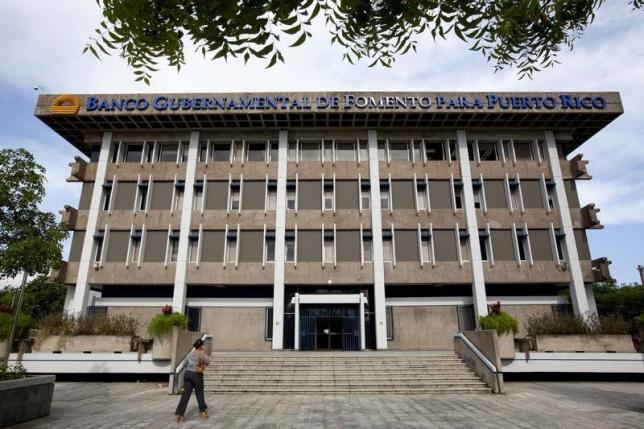
The 26-21 vote, reached in the wee hours of Wednesday, follows approval of the bill by the Senate on Tuesday. The measure would allow Governor Alejandro Garcia Padilla to declare a moratorium on any debt payment he deems necessary, and also alter the structure of the Government Development Bank (GDB), the island’s primary fiscal agent.
Garcia Padilla is expected to quickly sign the bill, which was rushed into existence as the GDB faces possible default on a $422 million debt payment due on May 1.
Puerto Rico, burdened by a $70 billion debt load it says it cannot pay and a 45 percent poverty rate that has led to a steady exodus of its American citizens to the mainland, faces economic collapse without a solution that either changes laws or involves an agreement with creditors.
The passage of the law drew a quick rebuke from some creditors. Stephen Spencer, a financial adviser to bondholders including OppenheimerFunds and Franklin Advisers, said it might violate the terms of a prior restructuring deal at PREPA, the island’s power utility.
That deal, under which creditors agreed to take 15 percent payout reductions, “should be explicitly preserved, rather than being cast into a state of uncertainty,” Spencer said in a statement. He said the law could “close the door to anyone extending new credit to Puerto Rico, seriously impeding its ability to meet citizens’ needs.”
A second group of creditors holding debt issued by Puerto Rico’s sales tax authority, COFINA, expressed support for the debt freeze bill.
“With entrenched private institutions obstructing the legislative process in Washington, it is understandable that Puerto Rican leaders are taking steps to equip the island with the tools it needs. COFINA Senior Bondholders hope our fellow creditors acknowledge this dire reality and finally stop holding legislation hostage,” Susheel Kirpalani, counsel to the COFINA Senior Bondholders Group at law firm Quinn Emanuel, said.
A rescue bill being drafted by the U.S. House of Representatives Natural Resources Committee so far uses U.S. bankruptcy rules as guidance for a solution, something many creditors oppose. Hearings are due next week in Washington.
The Puerto Rican emergency law could spark “a new era of litigation,” said Daniel Hanson, an analyst with Height Securities. “We believe the overwhelming majority of Puerto Rican issuers have violated their creditors’ rights,” he said in a Wednesday note.
The bill comes as GDB and its creditors are negotiating a debt restructuring. Some GDB creditors sued to prevent a run on the bank on Monday, asking a court to freeze the bank’s accounts while talks continue.
On Tuesday, as the House debated the debt bill, a war of words developed between Puerto Rico and its general obligation bondholders, who made an offer to extend principal payments on their debt to help Puerto Rico avoid default.
Those creditors knocked Garcia Padilla for pursuing a debt moratorium despite a consensual restructuring offer, a move one government official called a “public relations stunt.”
(Reporting by a contributor in San Juan and Nick Brown; writing by Daniel Bases and Nick Brown; Editing by Bill Trott and Meredith Mazzilli)
Reuters