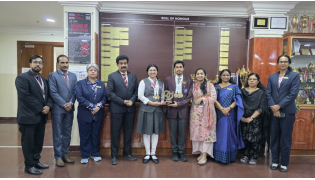
Doha, Qatar: Qatar Cancer Society (QCS) has launched “It’s Time” campaign in conjunction with Breast Cancer Awareness Month this October, as part of its ongoing efforts to raise awareness, promote early detection, and encourage healthy lifestyles that can help reduce breast cancer risk factors.
Designed as a community-wide campaign, “It’s Time” targets all segments of society across Qatar with messages that encourage women to prioritise their health and undergo recommended screening, while promoting community and psychological support for women living with breast cancer.
Qatar National Bank (QNB) is the official sponsor of the campaign, supporting QCS’s efforts to expand health awareness and promote prevention and early detection.
The campaign includes extensive public outreach through outdoor advertising and digital screens in shopping malls, as well as awareness activities across traditional and digital media platforms. It also features workshops and lectures, both in-person and online, targeting various community groups, schools, and universities.
A dedicated workshop for breast cancer survivors will also be held, alongside “It’s Time” event, bringing together media professionals and survivors to share messages of awareness, hope, and the importance of community support throughout the cancer journey.
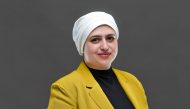
General Manager of Qatar Cancer Society, Mona Ashkanani said: “This year, we designed ‘Ja Al Waqt’ as a community-wide campaign that reaches people across Qatar. Breast cancer awareness is a shared responsibility, and delivering a clear message to women about the importance of early detection can make a real difference. Our message to every woman is simple: now is the time to prioritize your health, undergo screening, and support those living with and beyond breast cancer.”
Highlighting the importance of continued awareness efforts, Ashkanani noted that, according to the Qatar National Cancer Registry at the Ministry of Public Health, 562 new breast cancer cases among women were recorded in Qatar in 2023. Non-Qatari women accounted for 71% of cases and Qatari women for 29%, while women aged 45–49 represented the most affected age group.
She also stressed the importance of addressing common misconceptions that may cause women to delay screening or seeking medical advice. These include beliefs that every breast lump is cancerous, mammograms cause cancer, or biopsies can spread the disease.