The Qatar Foundation initiative returns for its third edition, offering participants an immersive journey into Qatari and Islamic traditional crafts.
Published: 05 Aug 2026 - 08:31 am | Last Updated: 05 Aug 2026 - 09:42 am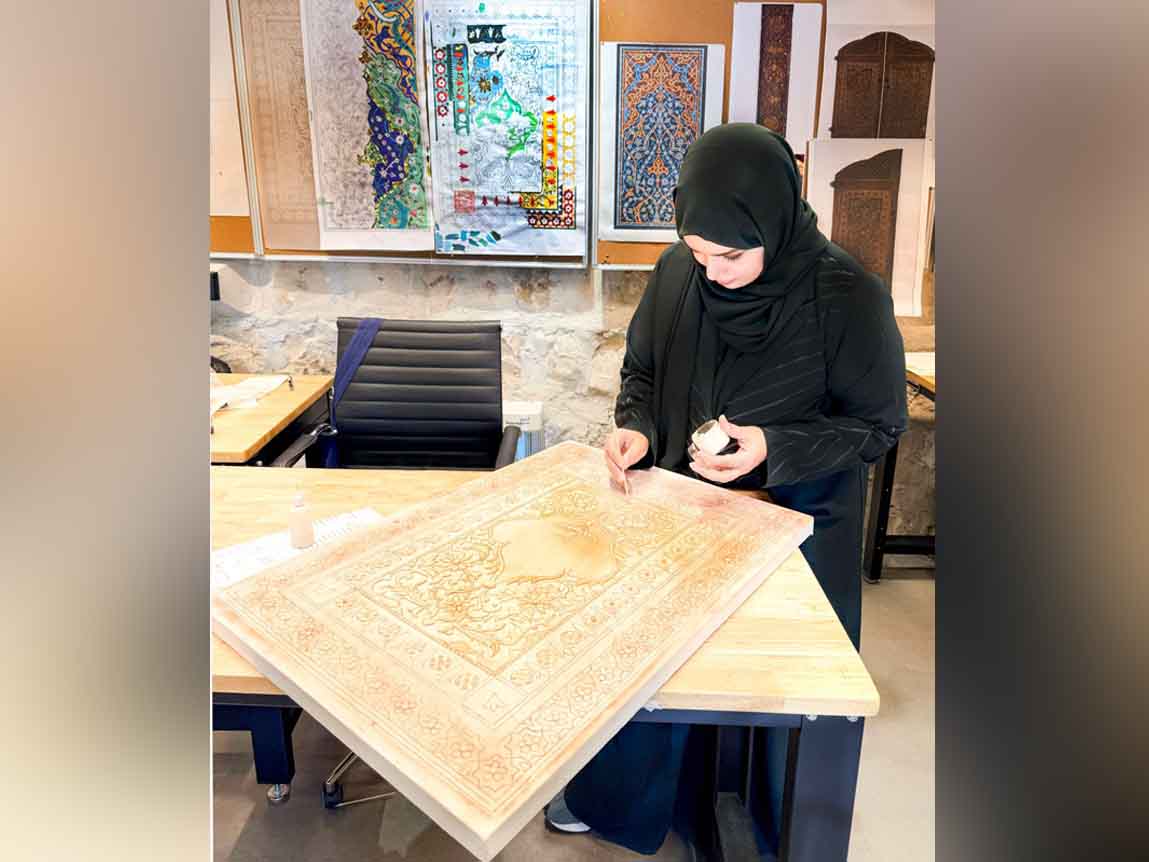
Abeer Alkuwari
Doha, Qatar: Now in its third edition, the Herfah Programme continues to breathe new life into the traditional crafts that form an integral part of Qatar’s cultural identity and Islamic artistic heritage.
An initiative of Qatar Foundation, Herfah is hosted at Al Khater House.Through annual programme and weekly classes, participants of Herfah embark on an immersive, hands-on journey into heritage craftsmanship, learning centuries-old techniques while exploring their relevance in contemporary creative practice.
Launched in 2024, the programme welcomes participants from diverse backgrounds to explore heritage crafts in a setting that honours both tradition and craftsmanship. Over time the programme has established itself as a valued platform for learning and cultural exchange, attracting a growing community of returning participants who re-register to deepen their skills and continue their exploration of traditional craftsmanship.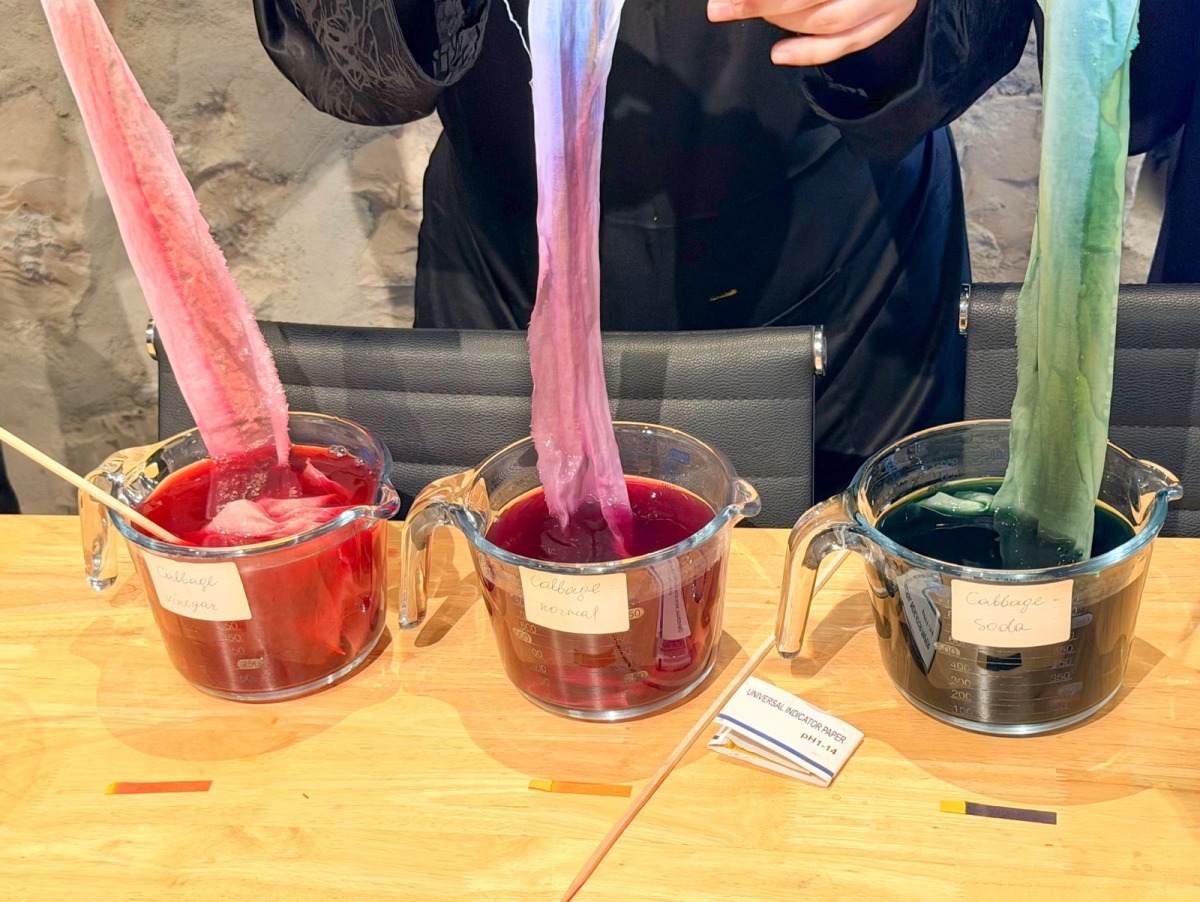 Among them is multidisciplinary artist Abeer Alkuwari, whose artistic practice spans painting, photography and sculpture. Having returned for a second consecutive year, she describes Herfah as far more than a craft programme—it is an opportunity to experience heritage through making.
“My artistic practice is closely connected to Qatari oral heritage, particularly the stories and folk narratives that have survived in collective memory,” Alkuwari told The Peninsula. “I also have a particular interest in exploring heritage, materials, patterns and traditional techniques, especially those connected to Qatar and the broader Islamic world.”
She said it was this desire to move beyond studying heritage and instead engage with it directly that inspired her to join Herfah.
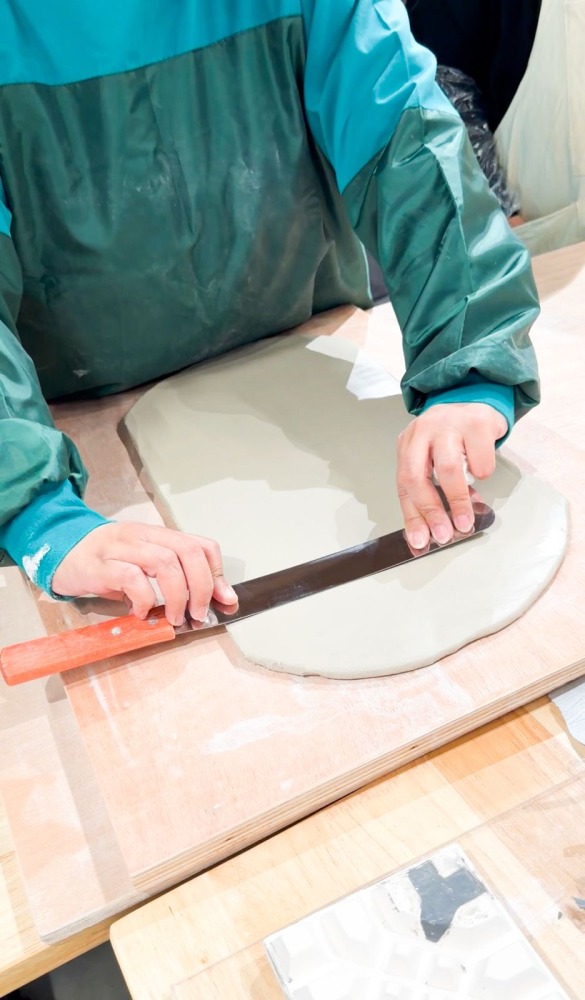 “For me, heritage is something we can experience through our hands, through materials and through the process of making rather than simply observing or studying it,” she said. “I saw Herfah as an opportunity to connect with this knowledge in a deeper and more meaningful way.”
Her first experience left a lasting impression, prompting her to return for the programme’s third edition.
“There was still much more for me to learn and discover,” she said, adding that she would gladly return for future editions. “I believe that every new experience can add another layer to our understanding, and I am always interested in continuing my journey and developing my relationship with art, craft and heritage.”
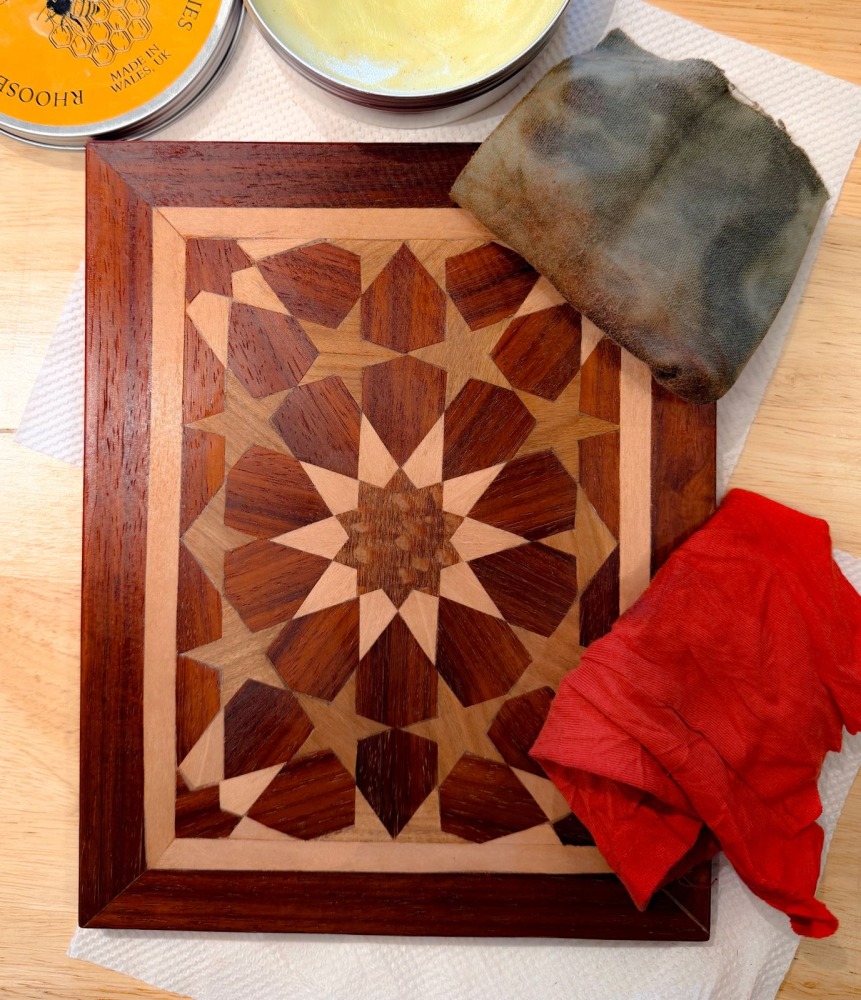
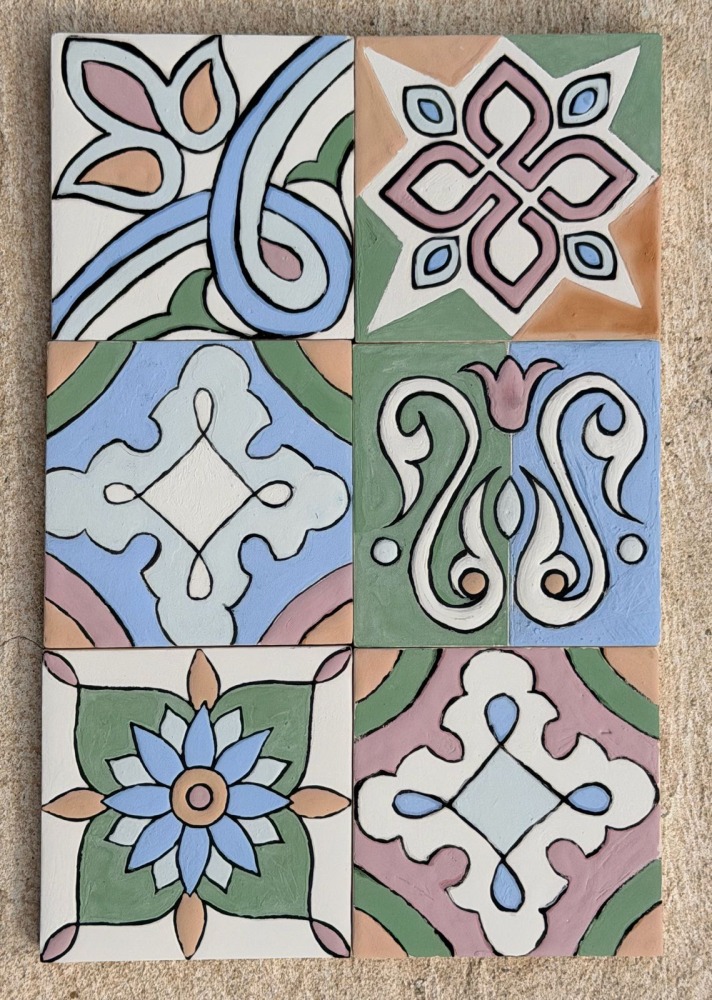 Throughout the programme, Alkuwari explored a wide range of traditional crafts, beginning with geometric patterns before progressing to ceramics, marquetry, plasterwork, natural dyeing and colour making. She also learned traditional textile dyeing techniques, decorative woodwork, egg tempera painting and Moroccan-style plaster carving, gaining insight into both the technical skills and the cultural knowledge behind each craft.
Rather than focusing solely on mastering techniques, she said the programme deepened her appreciation of the relationship between materials, craftsmanship and cultural memory.
“What had the greatest impact on me was developing a deeper understanding of the relationship between the material, the hand and the knowledge that has been passed down through generations,” she said. “It made me greatly appreciate the amount of cultural memory that a craft can carry.”
She now hopes to incorporate those traditional materials and techniques into her own artistic language while respecting their authenticity.
The setting itself also became part of the learning experience. Housed within the historic Al Khater House, the programme offered an environment where architecture, history and craftsmanship complemented one another.
“The learning environment at Al Khater House was very inspiring,” Alkuwari said. “Being in a traditional Qatari-style house created a direct connection to the place itself. The architecture and surroundings became part of the experience.”
She also praised the specialist tutors, saying their years of experience helped her appreciate the patience, precision and discipline required to master traditional crafts.
Beyond the practical skills, Alkuwari said Herfah fundamentally changed the way she views Qatari and Islamic artistic heritage.
“It helped me understand that heritage goes far beyond the final visual appearance of an artwork or craft,” she said. “Behind every pattern, material, technique and object, there is a story, a history and a body of knowledge that has been passed down through generations.”
For her, preserving heritage does not mean freezing it in time.
“It means understanding it deeply and finding contemporary and meaningful ways to preserve it, reinterpret it and carry it forward into the future,” she said.
Encouraging aspiring participants to apply for future editions, Alkuwari said the programme offers far more than technical training.
“Come with an open mind and a genuine desire to learn,” she advised. “Do not approach the programme simply as an opportunity to learn a craft or a specific technique. Try to understand the story behind the craft, the materials, the process and the knowledge that has been passed down through generations. The experience can give you much more than just a new skill. It can change the way you look at your own artistic practice and deepen your relationship with heritage.”
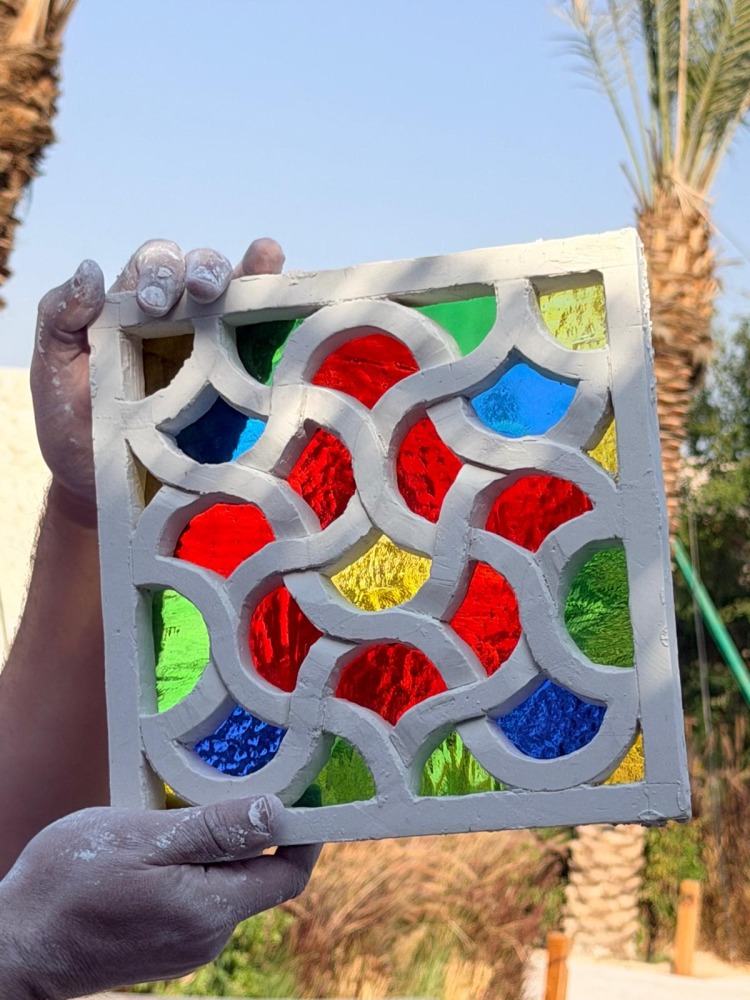
Designed for Qatar residents with prior experience in art or craft-based disciplines, Herfah offers an intensive, studio-based learning experience under the guidance of specialist tutors.
The upcoming programme runs from September 2026 to May 2027, with classes held daily from Sunday to Thursday, 9am-2pm. The programme is divided into three progressive terms. Participants begin by learning the fundamentals of geometry, drawing and traditional design principles before exploring crafts such as ceramics, decorative painting, textiles and gypsum carving. The second term builds on these skills with advanced geometry, marquetry, woodcarving and further ceramics training.
In the final term, participants apply everything they have learned by completing individual and group projects, bringing together traditional techniques and creative design skills developed throughout the programme.
Applications for the third edition of Herfah closes on August 6 and interested applicants can register on herfah@qf.org.qa.