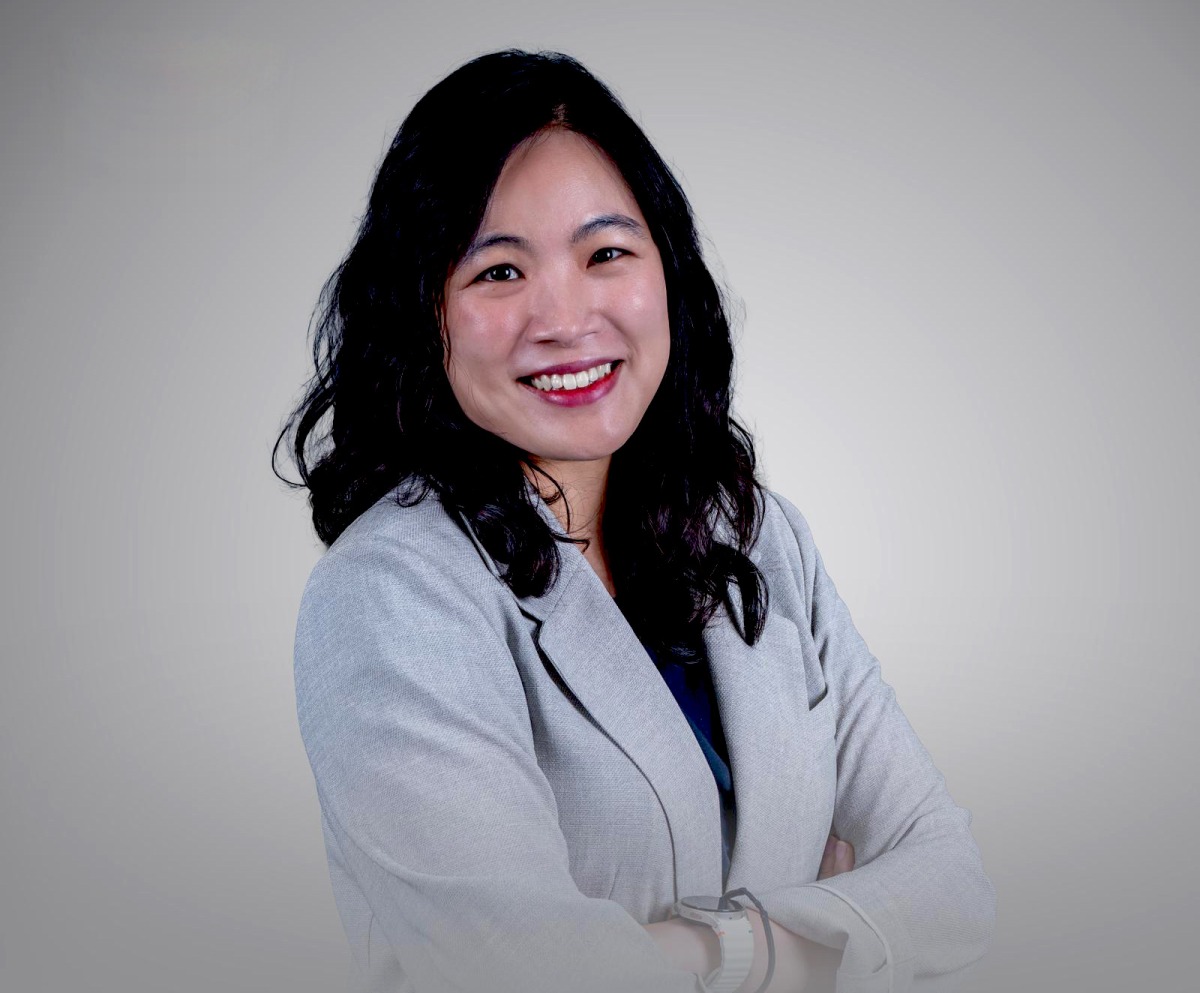
Assistant Professor at HEC Paris, Doha, Dr. Seungah Sarah Lee.
Doha, Qatar: As artificial intelligence reshapes industries at unprecedented speed, leaders must strengthen judgment, adaptability and discernment to remain relevant, according to Assistant Professor at HEC Paris, Doha, Dr. Seungah Sarah Lee.
“Large organisations often move like giant ships, so they may be slower to pivot, but the pace of technological change requires faster adaptation,” Dr. Lee said in an interview with The Peninsula. She stressed that in an AI-driven future, technical knowledge alone will not be enough. In fact, HEC Paris, Doha integrates AI leadership intelligence directly into its EMBA curriculum, ensuring that experienced leaders understand not only what AI can do, but how and why to deploy it.
“The real game changer will not simply be technical knowledge, but it will be the capacity to adapt, to rethink, and to continuously evolve alongside the technology.”
Dr. Lee defines “AI leadership intelligence” as a combination of digital understanding and human judgment. “Part of AI leadership intelligence is having digital intelligence, not only understanding the technology, but why you need it and for what purpose,” she said. “It’s a strategic decision.”
Crucially, she adds, it is about the human factor. “It’s the human skill to judge, to discern, to decide. At the end of the day, AI leadership intelligence is about how we make good decisions using AI as a tool, not just adopting AI because it’s the latest trend.”
Rather than asking which AI tools leaders should adopt, Dr. Lee argues the question should be reversed. “It’s less about how AI helps leadership and more about how leadership exercises judgment in directing AI toward meaningful human and organisational outcomes,” she explained. Leaders must first be clear about their purpose and objectives before identifying technologies that align with them. She warns that without alignment, organisations risk chasing “the next shiny AI application” without solving real problems, repeating patterns seen in earlier technological waves such as the dot-com boom or early digital transformation efforts where tools were adopted quickly but governance, culture, and accountability lagged.
This perspective is embedded in case discussions, executive debates, and strategic simulations within the EMBA classroom. Participants engage with various AI tools, testing assumptions, examining governance and leadership implications, and experimenting with emerging tools to understand their strategic and human impact. Dr. Lee identifies three common leadership gaps in AI adoption: lack of clear vision and purposeful alignment; absence of a culture that questions and critically evaluates outputs; and limited understanding among leaders of what AI actually does.
“Some treat it like a black box and fear it. Others want to use it for everything. Both extremes lack discernment,” she said. “Our role at HEC Paris, Doha is to build that discernment.” Balancing human judgment with AI systems is critical. “Human judgment should come first,” she emphasized. AI should function as a data point, even “like a teammate” but one whose outputs require review, accountability and oversight.
Ethics, she noted, must remain central. “At the end of the day, it’s about human flourishing. If efficiency and profitability come at the cost of people’s wellbeing, then we have to question the purpose.” In Qatar, Dr. Lee sees opportunity. While organisations are still in a transformation phase, the country’s relatively agile ecosystem and long-term national vision create space for intentional AI governance. Through its Executive MBA programs, HEC Paris, Doha is contributing by preparing leaders who can responsibly guide this transformation. Continuous learning, she added, is no longer optional. “In the past, earning a degree might have been sufficient for decades. Today, skills can become obsolete much faster.” Upskilling and reskilling, both at the leadership and organisational level are essential, particularly as automation shifts employees into supervisory and strategic roles.
“Technology will keep evolving,” Dr. Lee said. “But the human role as steward, decision-maker and ethical bridge remains constant. This is the leadership mindset cultivated within the Executive MBA programs at HEC Paris, Doha.”