Geneva: The State of Qatar has affirmed that the success of humanitarian commitments is measured by the difference they make in the lives of conflict-stricken people, stressing the importance of turning the humanitarian commitments secured during mediation and ceasefire negotiations into true improvements in the lives of those affected.
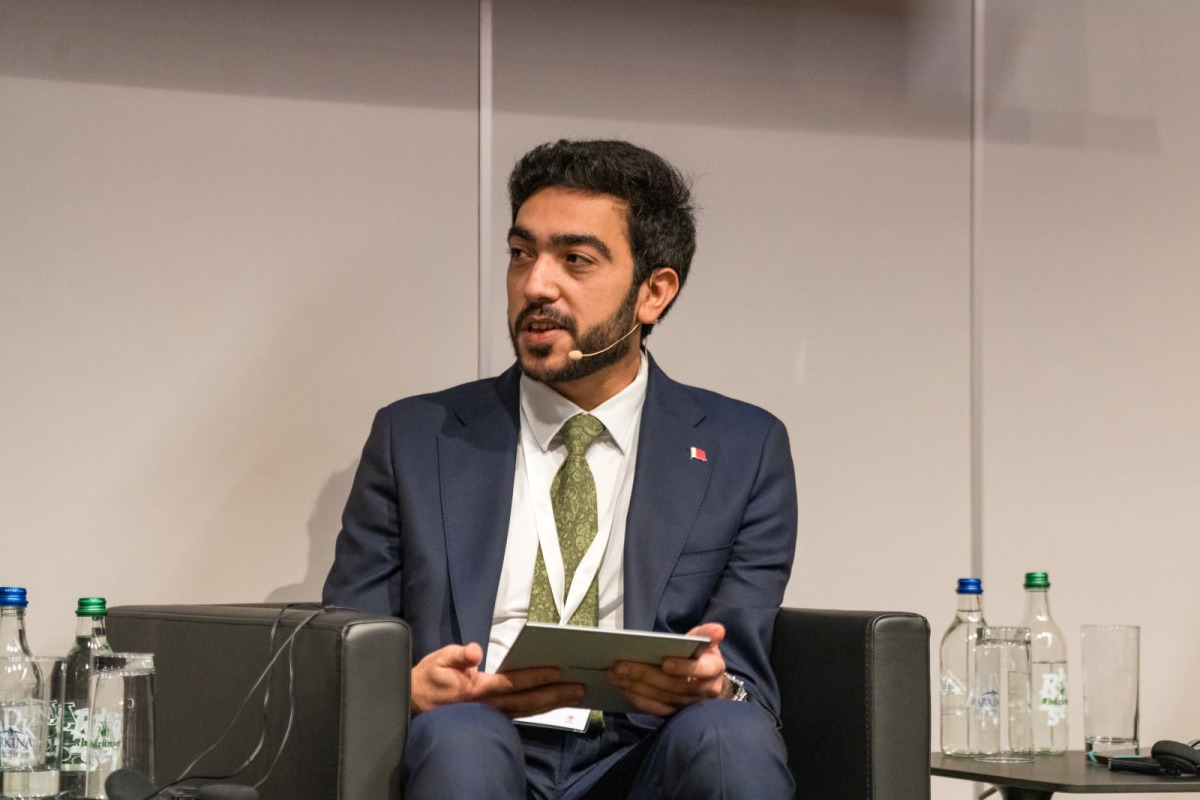
This came in the State of Qatar's statement delivered by Second Secretary at the State of Qatar's Permanent Mission to the United Nations Office in Geneva, Abdulaziz Mohammed Al Mansouri, before the Global Dialogue on International Humanitarian Law, convened in Geneva and organized by the Swiss government and the International Committee of the Red Cross (ICRC) to outline the outcomes of the Global Initiative to Galvanize Political Commitment to International Humanitarian Law and explore avenues for turning them into concrete actions.
Al Mansouri highlighted that the significance of mediation lies in ensuring the enforcement of measures concurred upon on the ground to help protect civilians and strengthen enduring peace prospects. He said international humanitarian law should be enforced regardless of whether parties to the conflict have reached a deal or not.
The humanitarian commitments reached during mediation or ceasefire negotiations can help put international humanitarian law obligations into practice, identify concrete steps to protect civilians, facilitate the delivery of humanitarian aid, and respond to urgent humanitarian needs, the Secretary pointed out.
He argued that having clear and practical humanitarian commitments matters most, as parties should concur on a limited number of measures to be implemented by the responsible entity, with an essential time frame set for that purpose, paving the way for monitoring the progress made and identifying challenges in a record time.
Mediators, parties, humanitarian organizations and entities responsible for implementation, alongside neutral intermediaries, should constantly engage with essential respect for their mandates and principles, Al Mansouri recalled.
Citing the State of Qatar's experience as a country that has been engaging in conflict mediation for over three decades, Al Mansouri said mediation does not terminate at the signing of the deal, as continuous engagement, confidence-building and preparation for getting past the challenges when they emerge remain profoundly important aspects.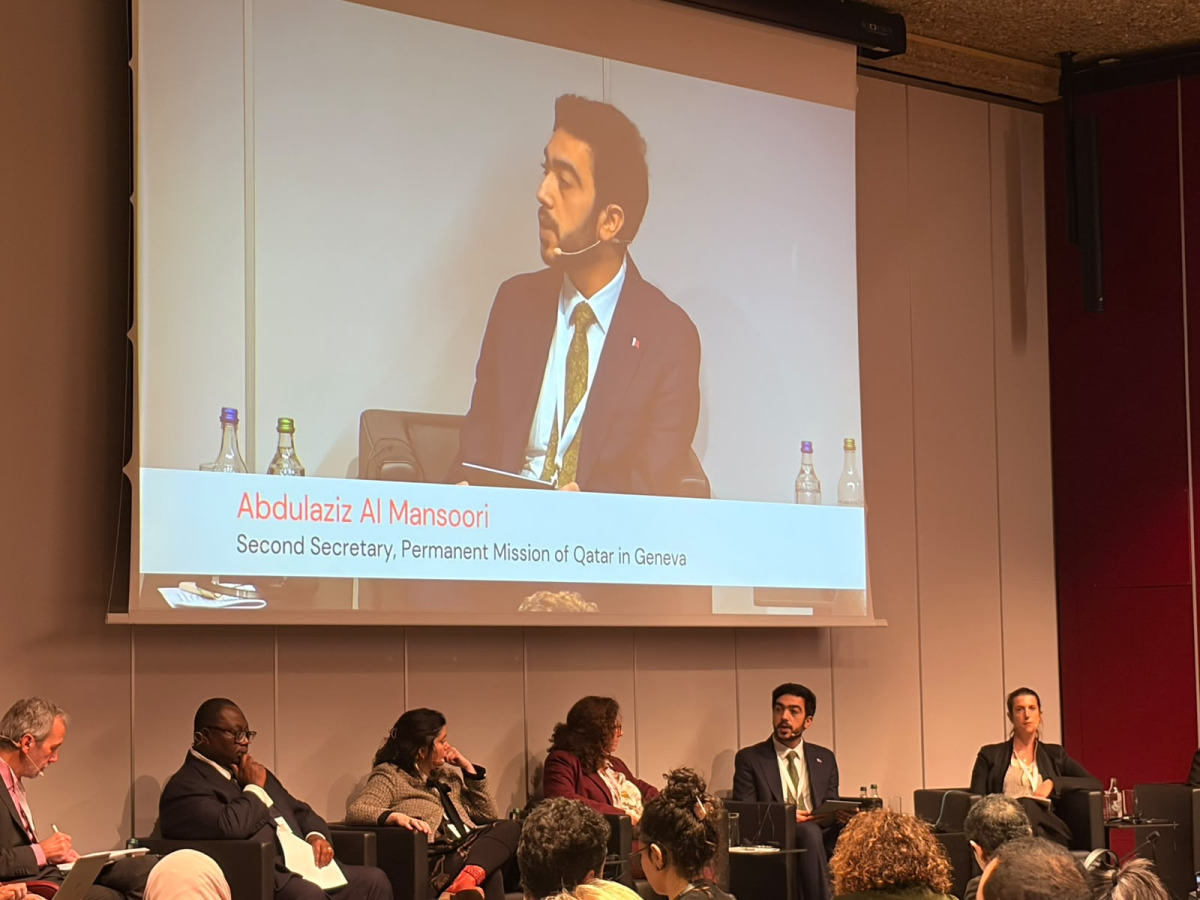 He noted that information provided by humanitarian organizations and actors on the ground, alongside observations from affected communities, could help assess the extent to which commitments contribute to improving the protection and well-being of civilians.
Accountability is a quite important component in building an enduring peace, the Secretary underlined, contending that lasting peace requires addressing grievances and damages arising from conflicts and taking crucial steps to preclude violations.
Al Mansouri pointed out that addressing these issues properly can contribute to building confidence in the peace process and acknowledging the anguish of affected communities, as well as promoting the legitimacy and robustness of the peace deal.
In this regard, Al Mansouri cited the resolution presented by the State of Qatar, in collaboration with Costa Rica, to the Human Rights Council at its 60th session in October 2025, on the promotion and protection of the human rights of women and children in conflict and post-conflict situations and ensuring justice, remedies and reparation for victims, noting that the resolution was adopted by consensus and received the support of 70 co-sponsoring countries.
Among the foremost outcomes of this resolution, Al Mansouri noted, was its call on states to strengthen accountability for gross violations of international human rights law and serious violations of international humanitarian law committed during armed conflict, through national justice systems and, where applicable, transitional justice systems and international justice mechanisms.
This is alongside the adoption of powerful legislative and administrative procedures in this regard, he outlined, as well as other appropriate measures that provide fair, effective and expeditious access to justice, reaffirming that the credibility of mediation does not rest solely on bringing the parties to the negotiating table, but also on helping them fulfill what they have agreed upon.