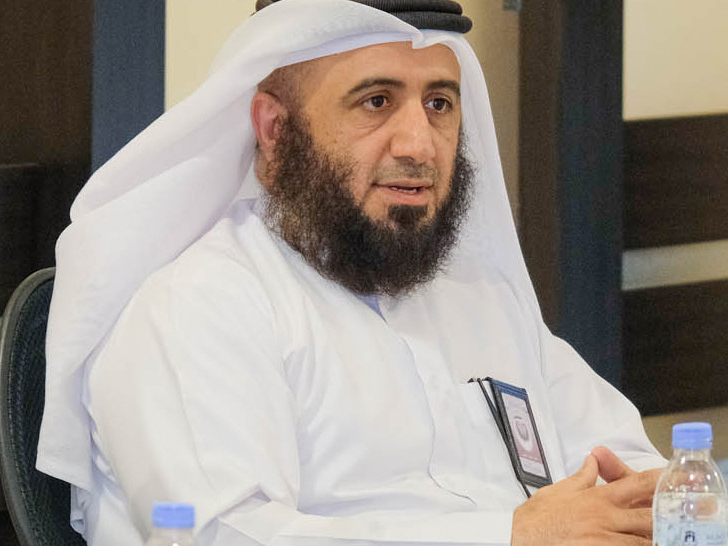
Head of the Religious Guidance Unit at the Qatari Hajj Mission, Sheikh Dr. Mohammed Mahmoud Al Mahmoud
Doha, Qatar: The Ministry of Awqaf and Islamic Affairs has reaffirmed its commitment to providing comprehensive and unified religious guidance to Qatari pilgrims, as part of its preparations for the upcoming Hajj season 2026.
Head of the Religious Guidance Unit at the Qatari Hajj Mission, Sheikh Dr. Mohammed Mahmoud Al Mahmoud, emphasised that the ministry is working to ensure pilgrims perform their rituals correctly through a scientifically unified guidance methodology. He described Hajj as both a “religious trust and a national mission,” highlighting the importance of standardizing religious rulings for Qatari pilgrims.
The Hajj affairs portfolio remains a central pillar within the ministry’s operations, reflecting the significance of the pilgrimage as one of Islam’s greatest rituals, requiring meticulous organization and responsibility. Qatar approaches Hajj services with a comprehensive vision that prioritises pilgrims’ needs, aiming to enable them to perform rituals in an atmosphere of safety, tranquility, and spiritual fulfilment. This aligns with Qatar National Vision 2030, which places human experience and quality of services at the forefront of development.
As part of the preparations, the Religious Guidance Unit plays a key role in educating pilgrims on Hajj rituals and preparing them spiritually, intellectually, and behaviorally in accordance with the Prophet’s teachings. Religious guides accompany Qatari Hajj campaigns throughout the journey, offering continuous support and guidance.
Dr. Al Mahmoud noted that the unit ensures consistency in religious guidance by holding regular coordination meetings with accompanying scholars. These meetings review approved plans, as well as administrative and religious guidelines, to ensure balanced and unified fatwas that comply with official regulations in the Kingdom of Saudi Arabia.
A total of 18 qualified religious guides have been appointed this year, each assigned to a Hajj campaign. Selected based on strict criteria including academic qualifications, jurisprudential expertise, and field experience, the guides are tasked with educating pilgrims before departure, delivering lectures in accommodations in Makkah, accompanying pilgrims through the holy sites of Mina, Arafat, and Muzdalifah, and responding to inquiries during the rituals. The ministry has also launched multi-channel awareness programs, including pre-departure orientation sessions organized by Hajj campaigns within Qatar, as well as digital educational materials developed in cooperation with the Department of Da’wah and Religious Guidance. Additionally, a series of lectures on Hajj rulings will be held in mosques across the country, delivered by prominent scholars to engage the public and address questions.
Dr. Al Mahmoud urged pilgrims to prepare spiritually and intellectually, adhere to instructions, demonstrate patience and good conduct, and avoid disputes.