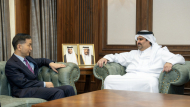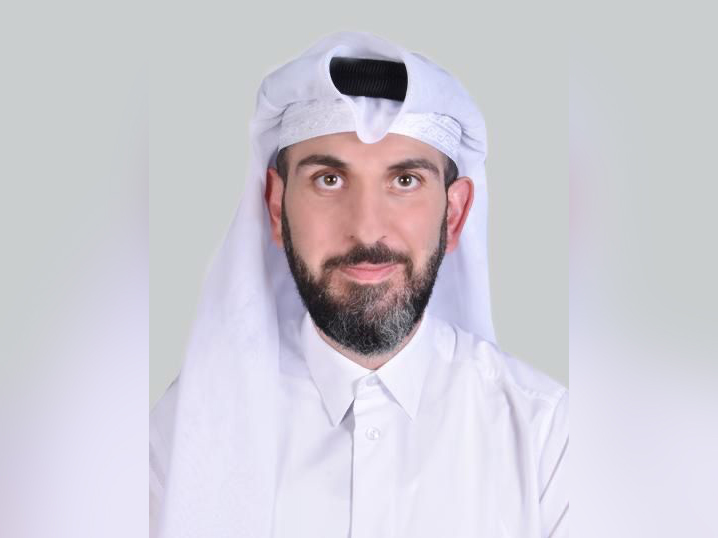
Nephrology and Kidney Transplant Senior Consultant and Deputy Chief of the Nephrology division at HMC, Dr. Mohamad Alkadi
Doha, Qatar: Hamad Medical Corporation (HMC) ensures that patients have easy access to comprehensive kidney care, with services spanning early diagnosis, treatment and long-term management for both in- and outpatients.
With around 30,000 patients seen annually across kidney clinics at HMC, chronic kidney disease is often silent, but early detection can save lives. According to experts, people should not wait for symptoms and instead prioritise early and regular check-ups, especially those at high risk, alongside healthy lifestyle habits to protect kidney health.
“Kidney disease can affect people of all ages and often presents with very few, if any, symptoms in its early stages. That is why it is frequently described as a silent condition,” said Nephrology and Kidney Transplant Senior Consultant and Deputy Chief of the Nephrology division at HMC, Dr. Mohamad Alkadi, speaking to The Peninsula.
He explained that subtle warning signs, such as swelling around the eyes or feet, changes in amount or color of urine, foamy urine, fatigue, drowsiness, decreased appetite, itching, sleep disturbances or high blood pressure are often overlooked. Kidney disease affects around one in seven people, particularly those living with diabetes or hypertension, as well as individuals with obesity, a family history of kidney conditions, or long-term use of non-steroidal anti-inflammatory painkillers (NSAIDs).
“At least 70% of chronic kidney disease cases are linked to diabetes and high blood pressure,” Dr. Alkadi said.
Lifestyle choices, he added, play a crucial role in prevention. “Maintaining a balanced diet, reducing salt intake, staying well hydrated, exercising regularly and controlling blood sugar and blood pressure can significantly lower the risk,” he said.
For those already at risk, routine monitoring is essential. “Patients with diabetes or hypertension should check their kidney function at least once a year, even if they feel well,” he said, pointing to simple blood and urine tests that can detect early changes.
While dialysis remains critical for some, he emphasised that only a small proportion of patients reach that stage. “Less than five percent of kidney patients requires dialysis or transplantation,” he said.
Only in very advanced stages of kidney disease, treatment may require dialysis. “Dialysis is needed when the kidneys lose most or all of their function. It works by removing waste and excess fluid from the blood, partially replacing the role of the kidneys,” Dr. Alkadi said.
“If the disease is mild to moderate, we focus on slowing progression, and managing risk factors and symptoms,” said Dr.Alkadi.
“Early diagnosis can significantly slow progression and prevent complications,” he said.
Qatar’s dialysis services, provided mainly by HMC have expanded significantly to improve accessibility. At present a total of 1250 patients are on hemodialysis and 251 patients on peritoneal dialysis.
Hemodialysis, the most common form of dialysis, uses a machine and a specialised filter known as a dialyzer to remove waste and excess fluid from the blood. The procedure is typically carried out approximately three times a week, often in hospital or dedicated dialysis centers. HMC also provides home-assisted hemodialysis service with around 140 hemodialysis patients receiving treatment at their homes.
Peritoneal dialysis, by contrast, uses the lining of the abdomen to naturally filter the blood. This method offers greater flexibility, allowing patients to manage their treatment at home. However, this treatment is done on a daily basis.
Around 204 dialysis stations operate across facilities under HMC including Fahad Bin Jassim Kidney Center, Al Wakrah, Al Khor, Al Shamal and Al Shahania, Muaither as well as Hazm Mebaireek General Hospital. Each year, about 150-200 new patients begin dialysis.
Pre-dialysis clinics are also playing a vital role in patient care. “These clinics help prepare patients both medically and psychologically, providing support in choosing the most suitable treatment option including kidney transplantation,” Dr. Alkadi said.