Taipei: Young activists frustrated by Chinese interference and pessimistic about the future are standing for election in Taiwan this month, determined to shake up politics in a move set to alarm Beijing.
The vote comes after Beijing-wary campaigners in Hong Kong won seats in recent elections, a further challenge to Chinese influence as anger swells among a generation of disaffected youth.
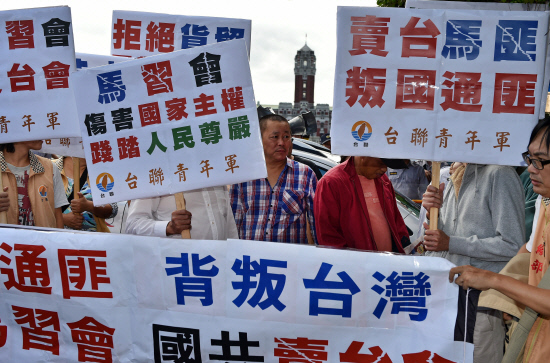
In Taiwan, the dramatic occupation of parliament in 2014 by student-led protesters over a China trade pact reflected increasing resistance to Beijing as young Taiwanese seek to forge and protect their identity.
It was also borne out of more everyday frustrations -- low salaries, fewer job opportunities and unaffordable housing as the economy stagnates.
Although young Taiwanese had staged protests in the past, none had been on the scale of the Sunflower Movement's occupation of parliament.
Now, in the first island-wide election since the protests, activists are determined to push for political power, saying standing for office is the best way to bring change.
"Social movements can't obtain real political influence because Taiwan's system is too closed and too conservative," said Tseng Po-yu, 24, a spokeswoman for the Sunflower Movement who is standing for the newly-formed Green Party-Social Democratic Party Alliance.
Tseng would become the youngest ever member of parliament and said many of her policies revolve around improving life for young people.
"It's impossible for young people to save money with low salaries and rising consumer prices, let alone to afford the skyrocketing housing prices," said Tseng.
"I want to speak up for young people who are concerned about their future... We deserve better lives."
- Hong Kong connection -
Similar frustrations in semi-autonomous Hong Kong led to the pro-democracy Umbrella Movement, which brought parts of the city to a standstill in late 2014.
The student-led rallies were sparked by Beijing imposing restrictions on leadership elections, but were also an expression of frustration in a city where salaries cannot keep up with soaring house prices.
Former Hong Kong protesters recently took seats in district elections, although pro-Beijing forces dominated the polls in a key test of public sentiment.
"Young people are an economic minority as both (Hong Kong and Taiwan) government policy focus is not on them -- their dissatisfaction exploded in the movements," said William Niu, a political analyst at the Chinese Culture University in Taipei.
"It is the awakening of many young people in Taiwan and Hong Kong who are fearful of being marginalised in society," he added.
AFP