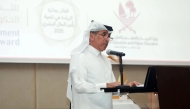
Beirut: Doha International Centre for Interfaith Dialogue (DICID) participated in the regional conference on the “Role of Religious Leaders & Actors in Combatting Hate Speech” that was held in the Lebanese capital Beirut. It was organised by the UN Human Rights Regional Office for the Middle East and North Africa (ROMENA).
The conference was intended to raise awareness and promote the culture of active social and peaceful dialogue pertaining to the role of religious leaders and actors in preventing the spread of hatred and incitement to hatred through the convergence of an array of active representatives of diverse entities in the Arab region to further share knowledge and experiences among them.
The conference also sought to track the progress made in the efforts of the religious leaders and actors in the Arab region at the level of combating hate speech and promoting tolerance and respect for diversity.
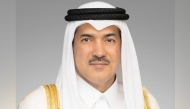
In his paper delivered to the conference, Chair of DICID Dr. Ibrahim bin Saleh Al Naimi reviewed the initiatives of the State of Qatar, including the centre’s pursued initiative in combating hate speech based on the general frameworks and recommendations of religious leaders and actors’ action plan emanating from Fez process.
It refers to a series of consultations, organised by the United Nations Office on Genocide Prevention in 2016 with religious, civil and regional organisations and leaders, in addition to the professional expert entities worldwide.
Dr. Al Naimi underlined the significance of the religious leaders and institutions, including their active role undertaken to combat hate speech, including the importance of openness of those institutions to the various societal institutions and their inter-cooperation to disseminate the culture of tolerance, moderation and mutual coexistence.
He pointed to the possible cooperation fields between these institutions, such as the organisation of conferences, seminars, workshops, training sessions in schools and universities and youth gathering centres.
He emphasised the need for reviewing, developing and caring for the role undertaken by the religious education institutions, including public education curricula and drawing further attention to education, dialogue, diversity, difference and coexistence.
Dr. Al Naimi underscored the importance of holding such conferences persistently to create a network of relations and active partnerships with the aim of crystallising a common vision for the collective work to promote tolerance values and counter hatred and disseminate the culture of peace in the communities, especially those which had suffered from various scourges of conflicts. This is in order to empower them to return to the track of development and reconstruction.