Deputy Director of Curatorial Affairs at Museum of Islamic Art speaks on using art to tell Islamic World’s own story
Published: 03 Aug 2026 - 10:02 am | Last Updated: 03 Aug 2026 - 10:09 am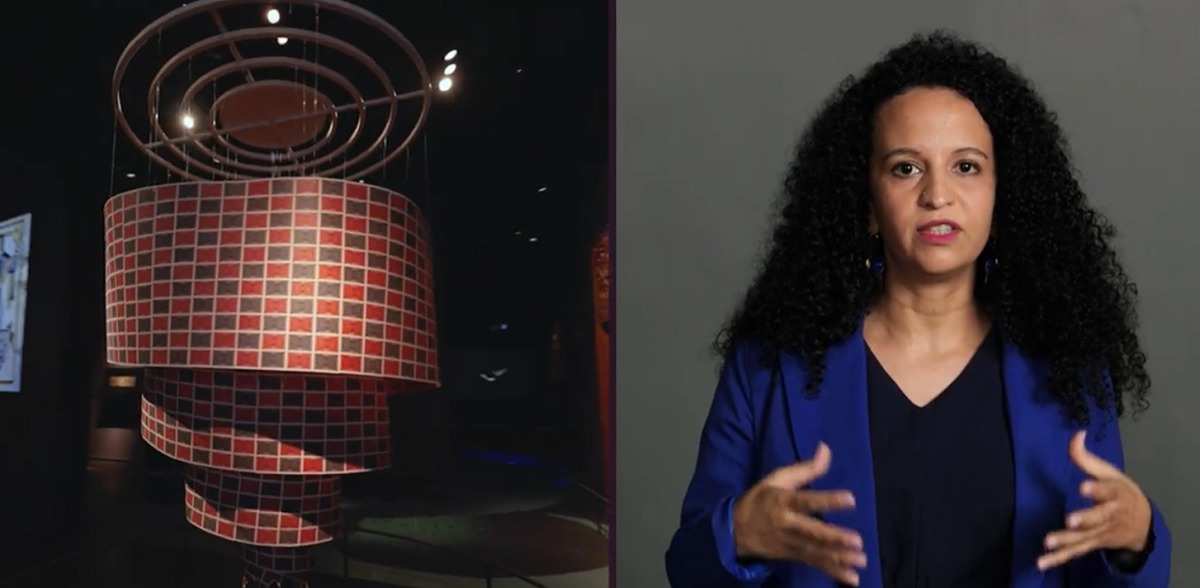
Doha, Qatar: At a time when the Middle East and Islam are often viewed through narratives shaped outside the region, Dr Mounia Abudaya, Deputy Director of Curatorial Affairs at the Museum of Islamic Art (MIA), believes art and culture can help reclaim the narrative and tell the story from the perspective of the region itself.
“Right now, I think in the midst of being part of a region that's been misinterpreted in the past decades, and Islam in particular, the role of art and culture are really even more crucial and more essential to tell the narrative from this part of the world and to really reclaim that story from the perspective of this region. And that's, I believe, what Qatar is trying to do as well in developing arts and culture.”
For Dr Abudaya, museums can offer a space to look beyond the divisions and borders that shape contemporary perceptions of the Islamic world. Through objects that trace centuries of movement, exchange and shared traditions, collections can reveal connections between societies that are often viewed as separate today.
“In the medieval period, you don't have that many boundaries and that many differences between certain people of the Islamic world. And I think in the world we live in right now, it's very important to have that kind of narrative as well and to be able to tell that story in a museum,” she said at the latest Evolution Nation video series posted by Qatar Creates.
Her perspective is closely connected to her 13 years at the Museum of Islamic Art, where she has worked with a collection spanning more than 1,400 years of Islamic history and encompassing objects from across three continents. Among the works that have stayed with her is a rare 15th-century pilgrimage certificate.
“I've been at the Museum of Islamic Art now for 13 years and there's one object in particular that holds a special place for me. It's a pilgrimage scroll being produced in the 15th century. It's quite a unique object because there's not so many pilgrimage scrolls that were produced during that time period especially in the 15th century. And that particular object for me has really set up the tone of my journey in Qatar Museums.”
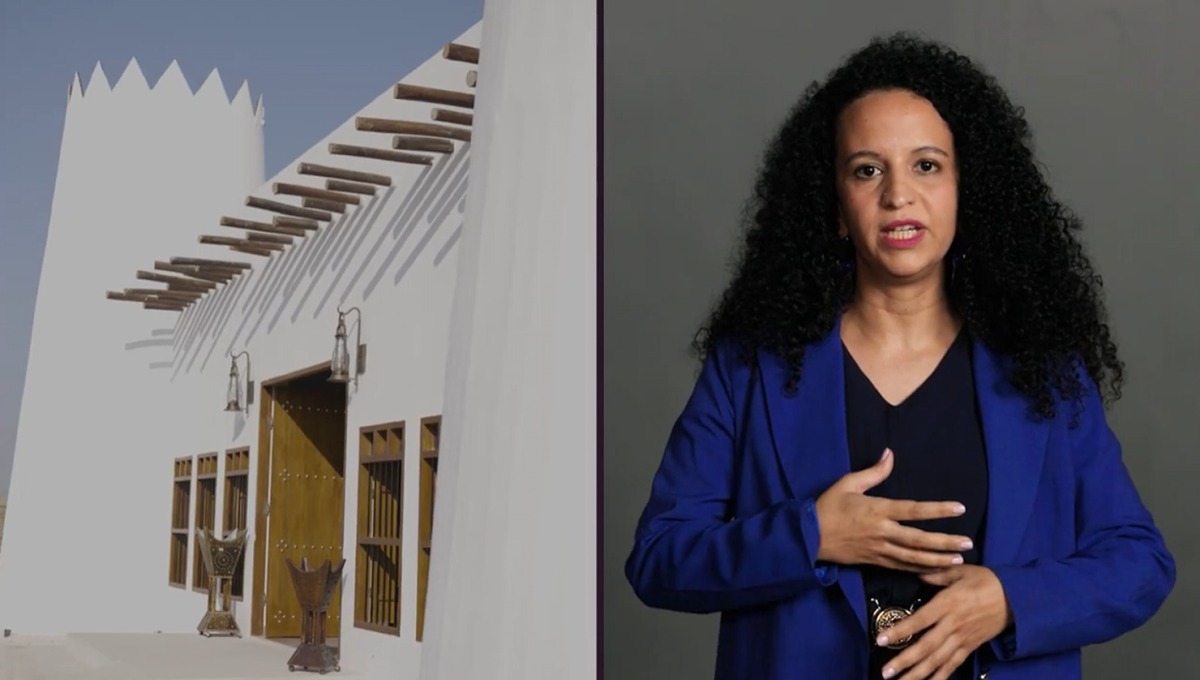
Made for a pilgrim named Sayyid Yusuf bin Sayyid Shihab al-Din Mawara al-Nahri for his ‘umra', the certificate depicts significant locations in Mecca, Medina and other religious sites, accompanied by Quranic inscriptions and texts in Arabic and Persian relating to pilgrimage. The names of the pilgrim and his six witnesses appear at the end.
Pilgrimage certificates were legal documents acquired by pilgrims at the end of their journey, recording the completion of their pilgrimage. Today, the object gives a glimpse into the experiences of an individual who travelled across the Islamic world centuries ago, while also illustrating the movement of ideas, beliefs and artistic traditions across regions.
It is this ability of objects to tell stories from within the region that Dr Abudaya sees as central to the work of museums. Rather than presenting Islamic art as a single, fixed tradition, collections such as that of MIA reveal a complex history shaped by travel, exchange and encounters between different communities.
The museum, in this sense, becomes more than a place to view historic objects. It provides an opportunity to reconsider familiar narratives and to encounter the Islamic world through the voices, histories and objects that emerged from it.
Dr Abudaya shared her reflections as part of Evolution Nation, a Qatar Museums campaign that profiles the people whose work and ideas have contributed to the country's cultural development over the past 50 years. Her story is one of many featured in the campaign, highlighting individuals working across Qatar's artistic, historic, creative and sporting landscape.
The Evolution Nation campaign forms part of Qatar Creates, the year-round cultural movement by Qatar Museums that brings together art, design, food, fashion, film and sport. Launched to mark 50 years since the establishment of the original National Museum of Qatar in 1975, Evolution Nation celebrates the individuals, institutions and ideas that have contributed to Qatar's cultural development.
Episodes of Evolution Nation are available on the Qatar Creates YouTube channel and across Qatar Creates’ social media platforms, sharing the stories of the people behind Qatar's continuing evolution as a cultural, creative and sporting nation.
*This article forms part of Evolution Nation, an ongoing series celebrating the people helping shape Qatar’s cultural, creative and sporting future. Episodes are available through the Qatar Creates YouTube channel and across Qatar Museums’ digital platforms, sharing the stories behind Qatar’s continuing evolution and the individuals driving it forward.