Doha, Qatar: The University of Doha for Science and Technology (UDST) has unveiled new academic programmes for the 2026–2027 academic year, reinforcing its strategic focus on applied education, research, and innovation aligned with Qatar’s long-term development goals.
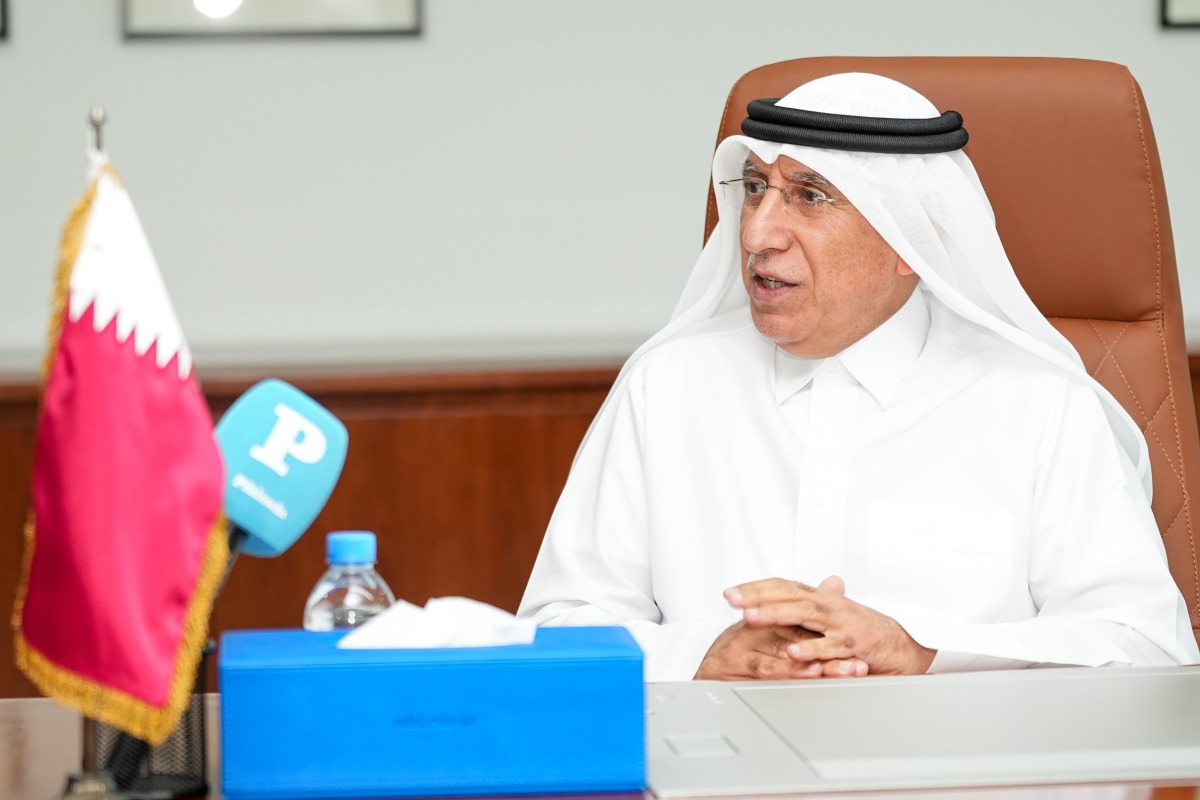
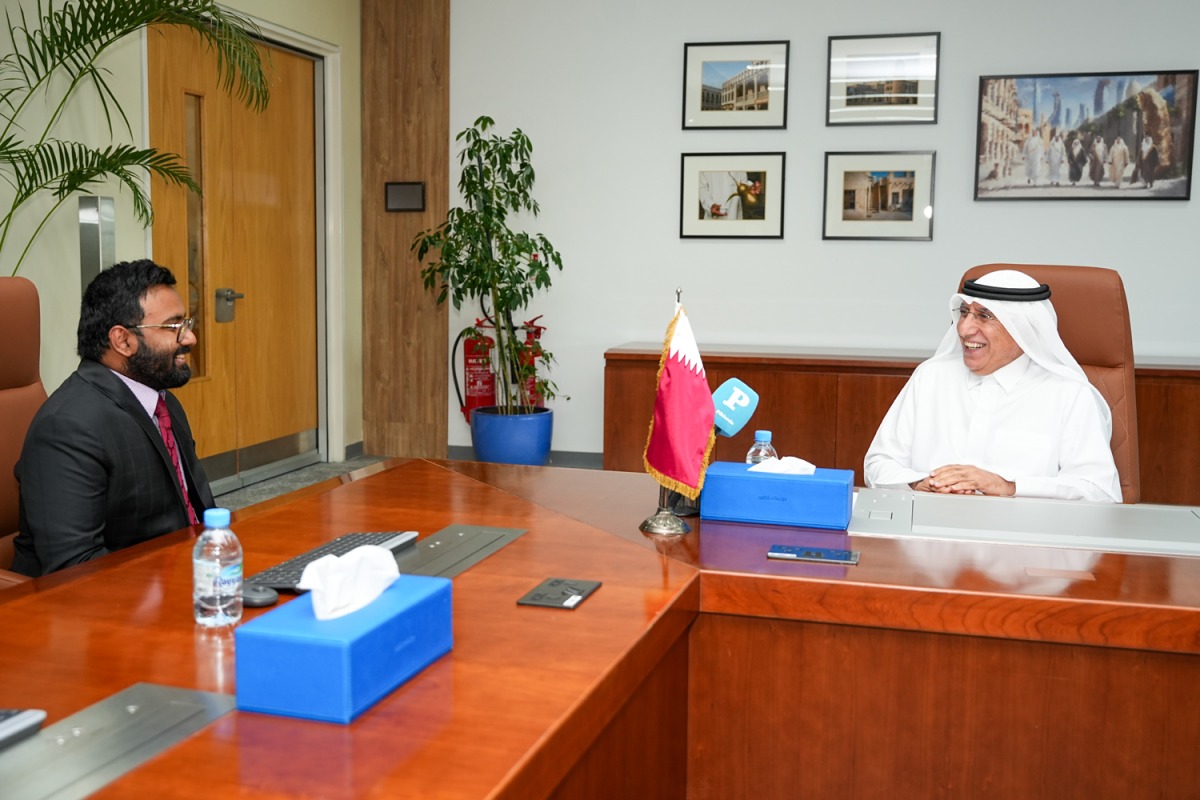
In an exclusive interview with The Peninsula, UDST President Dr. Salem bin Nasser Al-Naemi said that the expansion reflects the university’s commitment to addressing evolving labor market needs, particularly in healthcare, veterinary sciences, and other priority sectors identified in its 2024–2027 Strategic Plan.
“This expansion also reflects the university’s commitment to responding to labor market needs, particularly in the healthcare sector, in alignment with its institutional values of adaptability and innovation.”
Dr. Al-Naemi noted that the university’s mission prioritises high-quality applied education and research to support the country’s social and economic development.
“The new programmes, particularly in healthcare management, midwifery, and animal health, represent a direct application of this mission, combining academic knowledge with professional practice and focusing on preparing graduates who are highly ready for employment,” he said.
Highlighting how the programmes reflect the needs of the Qatari and regional labor market, Dr. Al-Naemi stated that the institute’s strategic plan emphasises empowering graduates through applied learning experiences and responding to the evolving needs of the labor market.
“The value of adaptability highlights responsiveness to the changing needs of students, communities, and the workforce, which forms the foundation for the design of these programmes.”
Commenting on the studies conducted by UDST prior to launching these programmes, Dr. Al-Naemi said, “The development of these programmes was based on analytical studies of labor market needs and priority sectors in the country. This initiative reflects the university’s commitment to addressing current demands while strengthening its role in supporting national development.”
He also stressed that the university partnered with relevant institutions and organisations to ensure that these programmes align with national requirements.
Responding to a question on international accreditations or academic collaborations, he said, “The EMHA programme, for example, aims to achieve accreditation from the well-known Commission on Accreditation of Healthcare Management Education (CAHME), USA. In addition, graduates will be well prepared to pursue professional recognition through the American College of Healthcare Executives (ACHE), including progressing toward Fellow (FACHE) status.”
The UDST president emphasised that the university ensures the quality of educational outcomes by adhering to approved academic standards and continuous development, in alignment with its 2024–2027 Strategic Plan.
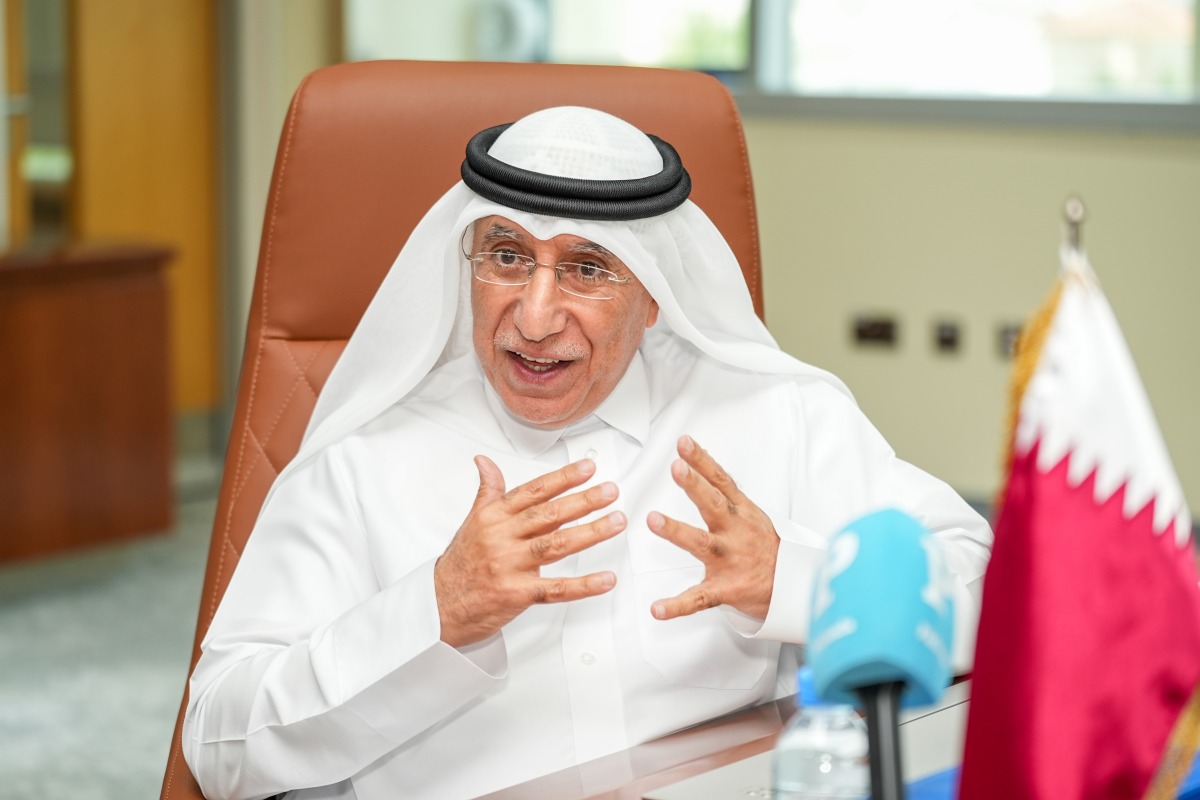
“Programmes are also aligned with the Qatar National Qualifications Framework approved by the Ministry of Education and Higher Education, which defines qualification levels such as diploma, bachelor’s, and master’s degrees, along with the associated learning outcomes, knowledge, and skills that must be achieved,” Dr. Al-Naemi said.
The university, he noted, relies on evidence and performance indicators to enhance teaching, learning, and research, supporting student success and addressing current and future needs.
Dr. Al-Naemi said that the Executive Master’s in Health Administration programme offered in the institution targets leaders and professionals working in the healthcare sector who aim to enhance their leadership and management skills, in line with the university’s focus on developing graduates with innovative mindsets and practical competencies. “The programme schedule is also designed to accommodate working professionals.”
He explained that the programme is built on an applied education model closely connected to real-world practice and aligns with the university’s approach to developing innovative teaching methods and strengthening the role of education in addressing real-world challenges.
The UDST President also said that the EMHA is a blended programme, and some courses will be offered after working hours (evenings) and/or on weekends helping prepare leaders capable of managing and leading healthcare institutions with efficiency and innovation, supporting social and economic development in Qatar.
Dr. Al-Naemi underscored that the launch of the Master of Science in Midwifery programme responds to the growing need for highly qualified midwifery professionals in Qatar and the region. “The programme provides registered nurses holding a Bachelor of Science in Nursing with an advanced pathway to specialise in midwifery and develop expertise in maternal and newborn care.”
“By preparing a new generation of skilled midwives, the programme contributes to strengthening the healthcare workforce and enhancing the quality of maternal and newborn services. It also reflects the University’s commitment to applied education that addresses national workforce priorities and supports the continued advancement of Qatar’s healthcare system,” Dr. Al-Naemi said.
To a query on how the programme will support maternal and child healthcare services in Qatar, Dr. Al-Naemi said that it prepares highly qualified midwifery professionals capable of delivering advanced, evidence-based care throughout pregnancy, childbirth, and the postnatal period.
“Graduates will contribute directly to improving maternal and newborn health outcomes, strengthening patient-centered care, and supporting the evolving needs of Qatar’s healthcare sector. By developing specialised expertise in midwifery practice, the program plays an important role in reinforcing the capacity and resilience of the national healthcare system.”
Responding to a question whether the programme includes practical training in hospitals and local healthcare centers, he said, “Yes, Clinical education is a central component of the programme. Students will complete extensive supervised clinical training in hospitals and healthcare facilities, ensuring that they develop the practical competencies required for safe and effective midwifery practice.”
He mentioned that it is designed in alignment with international standards established by the International Confederation of Midwives (ICM), which emphasise substantial clinical experience as a core requirement for midwifery education.
“Through this applied learning approach, students gain hands-on experience in real healthcare environments under the supervision of qualified professionals. This integration of academic learning with clinical practice reflects the university’s applied education model and ensures that graduates are well prepared to serve the needs of Qatar’s healthcare system,” Dr. Al-Naemi said.
He highlighted the admission requirements to apply for this programme. “Applicants must hold a Bachelor of Science in Nursing or a related health discipline and meet the university’s graduate admission requirements. These typically include submission of official academic transcripts, proof of English language proficiency, and fulfillment of any additional requirements established for graduate study.”
To another question on what social or economic needs led to launching the Animal Health and Veterinary Sciences programme, Dr. Al-Naemi said that it was developed in response to the increasing need for specialised professionals who can support the livestock, veterinary health, and agricultural sectors in Qatar.
“The programme was designed in close consultation with key national stakeholders, including the Ministry of Municipality, to ensure alignment with national priorities and workforce needs,” he said.
“By preparing skilled professionals in animal health management, disease prevention, and livestock care, the programme contributes to strengthening Qatar’s agricultural capacity, supporting sustainable livestock management, and advancing national priorities related to food security and environmental sustainability.”
He underlined that the programme supports Qatar’s national food security objectives by preparing professionals capable of strengthening animal health management and improving the productivity and sustainability of the livestock sector.
“This aligns with the Qatar National Food Security Strategy 2030, which emphasises enhancing local production capacity, improving sustainability, and strengthening the resilience of national food systems. The programme also reflects the university’s broader engagement with global challenges related to food security and sustainable development,” Dr. Al-Naemi said.
Responding to another question on the difference between the bachelor’s and diploma tracks in terms of duration and career opportunities, he said that the programme offers two complementary academic pathways designed to meet different workforce needs.
“The first is a Diploma in Animal Health and Veterinary Sciences, which is completed in two years and provides focused technical and practical training that enables graduates to enter the workforce quickly in animal health and livestock support roles. The second is a Bachelor of Science in Animal Health and Veterinary Sciences, which is a four-year bachelor’s degree that provides deeper academic preparation, broader career opportunities, and potential pathways for postgraduate study.”
“The programme also establishes a strong academic foundation for graduates who wish to pursue a Doctor of Veterinary Medicine (DVM) degree and advance toward becoming licensed veterinarians.” Dr. Al-Naemi said, adding, “This flexible structure reflects the University’s applied education model and its commitment to supporting diverse workforce development needs.”
He further said that in line with the university’s applied and experiential learning approach, the programme integrates academic instruction with practical training opportunities through collaboration with relevant organisations, farms, and veterinary institutions.
Dr. Al-Naemi said, “These partnerships provide students with valuable hands-on experience and ensure that graduates are equipped with the practical competencies required to contribute effectively to Qatar’s animal health and livestock sectors.”
On the level of expectations for student enrollment, he said, “Given that these programmes address vital sectors such as healthcare and food security, the university anticipates strong interest in their first year, particularly due to the focus on preparing highly employable graduates.”
He also noted that the university offers several scholarships and financial aid programmes to support students and enable them to pursue their academic studies, which include the ‘Amiri Scholarship’, which is designed for academically outstanding students, enabling them to pursue studies in advanced applied fields and contribute to innovation in science and technology while enriching the diverse student community in Qatar.
“UDST also provides ‘Education Above All (DFQ) Scholarship’, offered through the Al Fakhoora programme to support residents in Qatar who face financial challenges, enabling them to start or continue their university education. It also offers the ‘Jassim and Hamad Bin Jassim Charitable Foundation Scholarship’, which provides financial support for talented students who require financial assistance to continue their university studies.”
Additionally, he said, the institute provides ‘University Sports Scholarship’ that are awarded to student-athletes who demonstrate exceptional talent and dedication in their sports. “The scholarship includes full tuition coverage, a monthly stipend, priority registration, and academic and athletic support to help students balance their studies and athletic commitments.”
Regarding the labor market’s readiness to absorb graduates from these programmes, he said that it is “designed to address priority sectors and follow an applied education approach that aligns graduate outcomes with the evolving needs of the labor market.
To a question about future plans to introduce additional programmes in the health or veterinary sectors, Dr. Al-Naemi said, “The university’s strategic plan emphasises keeping pace with developments and providing solutions to real-world challenges, reflecting a forward-looking approach toward expanding programmes that support national priorities.”
Dr. Al-Naemi further stated that the university encourages students to enroll in programmes that combine academic excellence with practical learning in an environment driven by innovation, quality, and sustainability, preparing them for promising career paths. Responding to a question on how UDST sees its role in bolstering the country’s strategic vision through this initiative, Dr. Al-Naemi added, “The university believes that launching these programmes represents a direct contribution to Qatar National Vision 2030 by advancing applied education, research, and innovation, and by preparing national talent that contributes to sustainable development and economic prosperity.”