Istanbul: Turkiye's economy is facing mounting pressure from persistently high global energy prices, as the country relies heavily on imports of oil and gas to meet domestic demand.
This dependence has exposed it to global market volatility, driving up production costs, increasing the burden on businesses, especially energy-intensive industries, and pushing higher electricity and gas bills, which in turn are eroding household purchasing power amid ongoing inflation.
Turkish Vice President Cevdet Yilmaz said the effects of the war will persist for a long time, warning that Turkiye must prepare for a new economic environment, as the end of the conflict will not immediately eliminate its consequences.
Deputy Head of the International Economic Forum in Turkiye Gazi Misirli told Qatar News Agency (QNA) that the country imports nearly 90 percent of its oil and gas needs, leaving it highly vulnerable to global price swings.
He noted that the energy bill has reached between $70 billion and $100 billion in some years, significantly contributing to inflation and rising living costs, particularly in electricity, gas, transport, and food prices.
He added that higher energy costs are increasing production expenses, undermining export competitiveness, and putting pressure on the Turkish lira due to rising demand for foreign currency to finance imports.
He also highlighted that Turkiye relies heavily on gas imports from Russia, Iran, and Azerbaijan, as well as oil imports from Iraq and Russia, while working to reduce dependency through domestic energy development, including Black Sea gas discoveries and expanding renewable energy projects such as solar, wind, and hydropower, which are accounting for a growing share of electricity generation.
Despite these efforts, he stressed that challenges persist amid continued volatility in global energy markets, calling for accelerated diversification strategies and stronger energy security to ensure economic stability.
Finance and Treasury Minister Mehmet Simsek said Turkiye is capable of managing economic shocks stemming from the conflict with Iran, emphasizing that despite importing around 95 percent of its energy needs, the country can secure supplies and that energy security is not at risk.
Meanwhile, head of the Consumer Union Federation (TBF) Mehmet Bulent Deniz said food inflation rose by 5 percent in March due to the war and is expected to increase further in the coming months. He noted that the impact of rising prices typically appears after 20 to 25 days, suggesting higher inflation rates ahead.
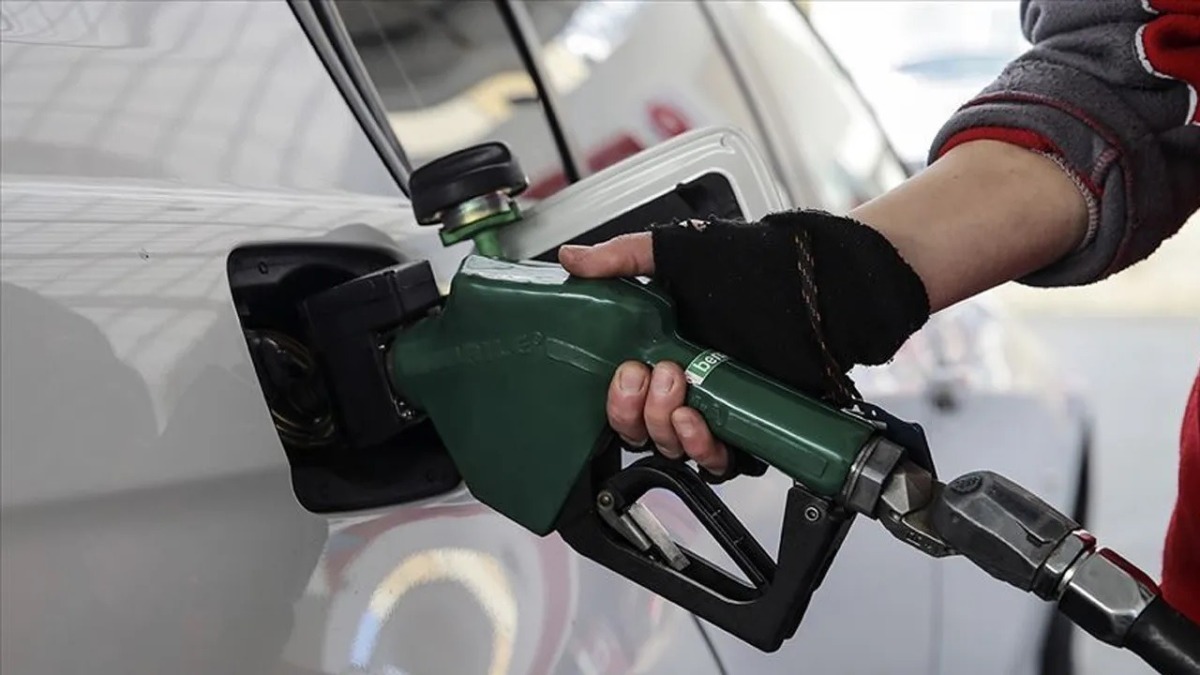
He added that disruptions in fuel supplies and rising costs are pushing up raw material prices, which in turn increase the cost of goods reaching consumers.
He also pointed to the closure of the Strait of Hormuz amid tensions with Iran as a factor driving up oil and chemical prices, including fertilizers that directly affect food production.
Dr. Abdulmuttalip Arpa, Head of the Department of Islamic Economics and Law at Sabahattin Zaim University in Istanbul, said rising energy prices are among the most significant challenges facing both the Turkish economy and households, given their direct impact on living costs and industrial production.
He warned that this reduces export competitiveness and increases pressure on the trade deficit.
He suggested that mitigating these effects requires diversifying energy sources, boosting investment in renewables, and providing targeted support to the most affected households.
Energy remains a key driver of inflation in Turkiye, contributing to what is known as imported inflation, where higher fuel costs raise transport and service prices, triggering a chain reaction of price increases and complicating efforts to control inflation.
Rising energy prices are also widening the trade deficit and increasing the import bill, putting pressure on foreign currency reserves and the lira.
The government is attempting to cushion these effects through subsidy policies, particularly in electricity and gas, though this adds further strain on the state budget.
Against this backdrop, Ankara is pursuing a mix of short- and long-term policies aimed at mitigating the impact of rising energy prices and maintaining economic stability amid an increasingly uncertain global environment.