Dr. Khaled Abdul Hadi
Represented by the Ministry of Public Health (MOPH), Hamad Medical Corporation (HMC) and Primary Healthcare Corporation (PHCC), Qatar’s health sector is participating in the activities World Autism Awareness Day.
This year the day was marked under the theme: “Inclusive Quality Education for All”, whereas, the United Nations General Assembly unanimously declared the second of April as an awareness day for ASD worldwide, with the aim of highlighting this disorder and improving the lives of the individuals suffering from it.
This year’s observance of the day comes under significant local and international interest in light of the increasing numbers of individuals with ASD reflected in the recent international estimates in this regard. Moreover, the day is an important opportunity for shedding light on Qatar’s achievements in the field of healthcare for individuals with ASD striving to integrate this category in the community.
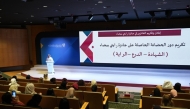
A variety of recreational and awareness activities and events to spread awareness among the families and the public on how to discover, deal with and correct misperceptions about ASD have been organised and health services have been provided.
The health sector institutions have also participated in showing their international solidarity with individuals with ASD by lighting up their buildings in blue, including the MoPH, Enaya building of HMC, main building of PHCC as well as a number of Primary Health Centres.
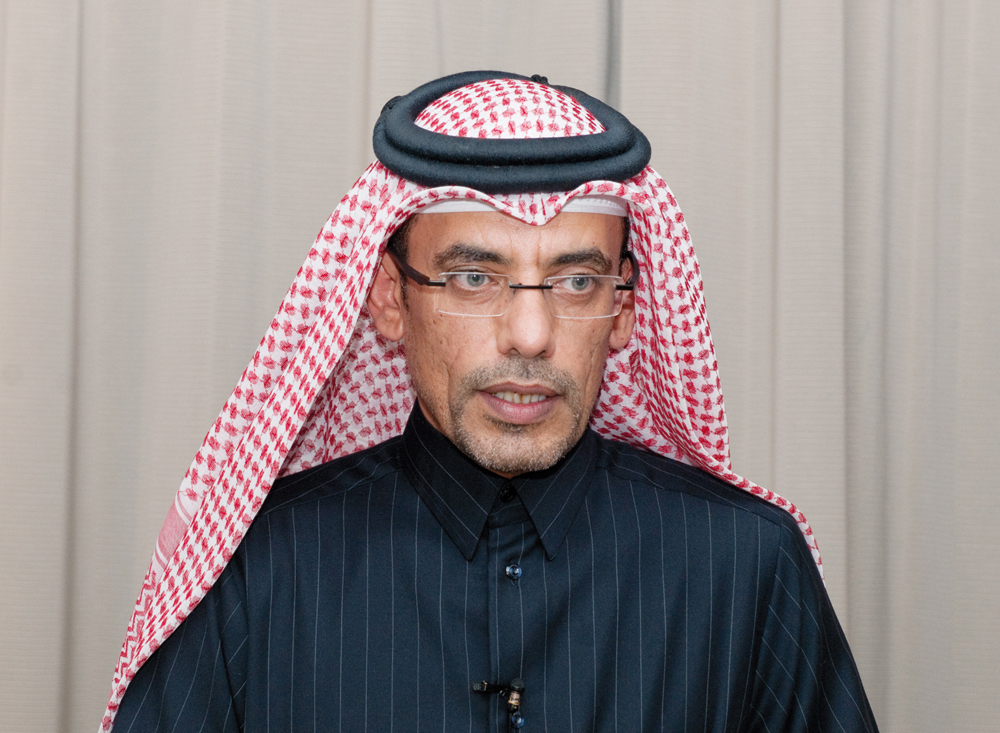
Dr. Khaled Abdul Hadi, National Health Strategy 2018-2022 lead for people with special needs, said: “Qatar’s health sector continues to confirm, through this involvement, its support for the national programmes delivered by the State for providing support for children with ASD and the implementation of the programmes aiming at raising awareness among community individuals regarding ASD, its causes, its effective treatment as well as their integration in the society”. Dr. Khaled added, “All the relevant entities in the health sector exerted optimal efforts through setting up an integrated comprehensive national plan for people with special needs, including individuals with ASD. This plan includes facilitating access to necessary health services, putting in place national treatment instructions, provisioning of more specialised rehabilitation services, focus on the training of staff, attracting and recruiting highly qualified staff, promoting the family role and empowerment through various training programmes and workshops.”
ASD is a neurodevelopmental condition which appears at the early childhood stage regardless of the gender, race or social or financial status of the person. However, it is a lifetime condition.