Doha, Qatar: Qatar’s food security strategy is increasingly focused on building a resilient system that combines stronger local production with reliable imports, flexible supply chains and greater private-sector participation, Ministry of Municipality Undersecretary H E Eng. Ali bin Mohammed Al Ali has said.
Speaking on the fifth episode of the National Planning Council’s AlTanmiya podcast, Al Ali highlighted the importance of maintaining a balance between domestic production and imports to ensure uninterrupted food supplies, while expanding the capacity of the private sector to play a central role across the food-security chain.
“Food security is an integrated system,” Al Ali said, explaining that Qatar’s geographic and climatic conditions make it necessary to combine local production with imports and robust supply chains. “You cannot produce everything in the country due to the climatic conditions and the natural resources available. Accordingly, you must have local production and external imports, and between the two are the supply chains and suppliers.”
Al Ali pointed to Qatar’s achievement of near-full self-sufficiency in fresh milk and fresh poultry as examples of how policies supporting and protecting domestic production can strengthen food security.
“We reached 100% in dairy because conditions and regulations were put in place that protected the local product,” he said. “We reached 100%, or approximately 99.9%, in fresh poultry because we protected and supported the local product.”
He stressed that the next stage is centred on fully supporting and empowering the private sector, which operates across almost the entire food-security chain, from production and logistics to supply chains and importing.
“The whole chain depends on the private sector,” Al Ali said. “The government does not directly intervene in operational matters. The producers are from the private sector, logistics and supply chains are from the private sector, and suppliers are also from the private sector.”
He said strengthening private-sector capacity would ultimately reduce the burden on government while creating a stronger and more resilient food system.
“This is our objective: to empower the private sector in this field so that it becomes stronger,” he said. “The stronger the private sector becomes, the lower the burden on the government, and the stronger the sector itself becomes.”
Al Ali said these efforts are coordinated through the Committee for Follow-up on the Implementation of Food Security Policies, chaired by Minister of Municipality H E Abdullah bin Hamad Al Attiyah. The committee holds two meetings every week and brings together representatives of key government entities, including the ministries of health, commerce and interior, as well as customs, defence, Qatar Ports and other relevant bodies.
He said the effectiveness of Qatar’s food-security system can be seen directly in the availability of products in the market. “If you enter any hypermarket or supermarket and look at the shelves, do you find anything missing? You will not find anything missing, thank God,” Al Ali said.
He noted that despite the crisis that began at the end of February, supplies have remained available after six months and as the country enters its seventh month. He attributed this resilience to coordinated efforts among government entities and the committee’s focus on strategic stocks and essential commodities.
“There may be a drop at the beginning of any crisis, but how long does it take you to recover?” he said, stressing that recovery depends on an integrated process involving all relevant entities.
Looking ahead, Al Ali highlighted agriculture as a key area for further strengthening self-sufficiency. Qatar’s target is to raise agricultural self-sufficiency to 55% by 2030, although the country’s climate presents a significant challenge.
The agricultural production window generally extends from October to April, limiting the period in which farms can operate at maximum capacity. Qatar has around 1,300 farms, but fewer than half - about 460 - are currently active. Despite this, agricultural self-sufficiency has reached around 49% to 50% on an annual average.
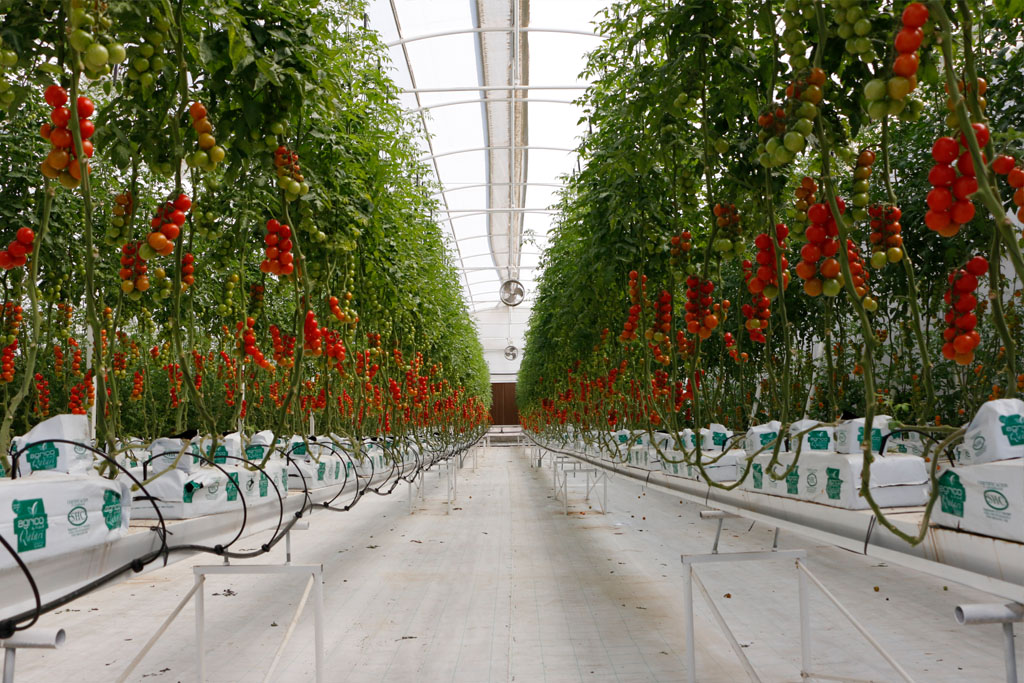
During the peak growing season, however, Qatar reaches 100% self-sufficiency in several key crops, including tomatoes, cucumbers, eggplants and zucchini. Agricultural production reached an unprecedented 76,000 tonnes of vegetables in 2025, Al Ali said, adding that farmers receive support in areas including animal feed, fertilisers and pesticides, as well as technical training.
Around 8,000 people have benefited from training workshops provided as part of support programmes for farmers and private-sector stakeholders.
The Ministry also purchases and markets farmers’ produce through Hassad, which serves as an executive arm, while the core support comes from the Ministry.