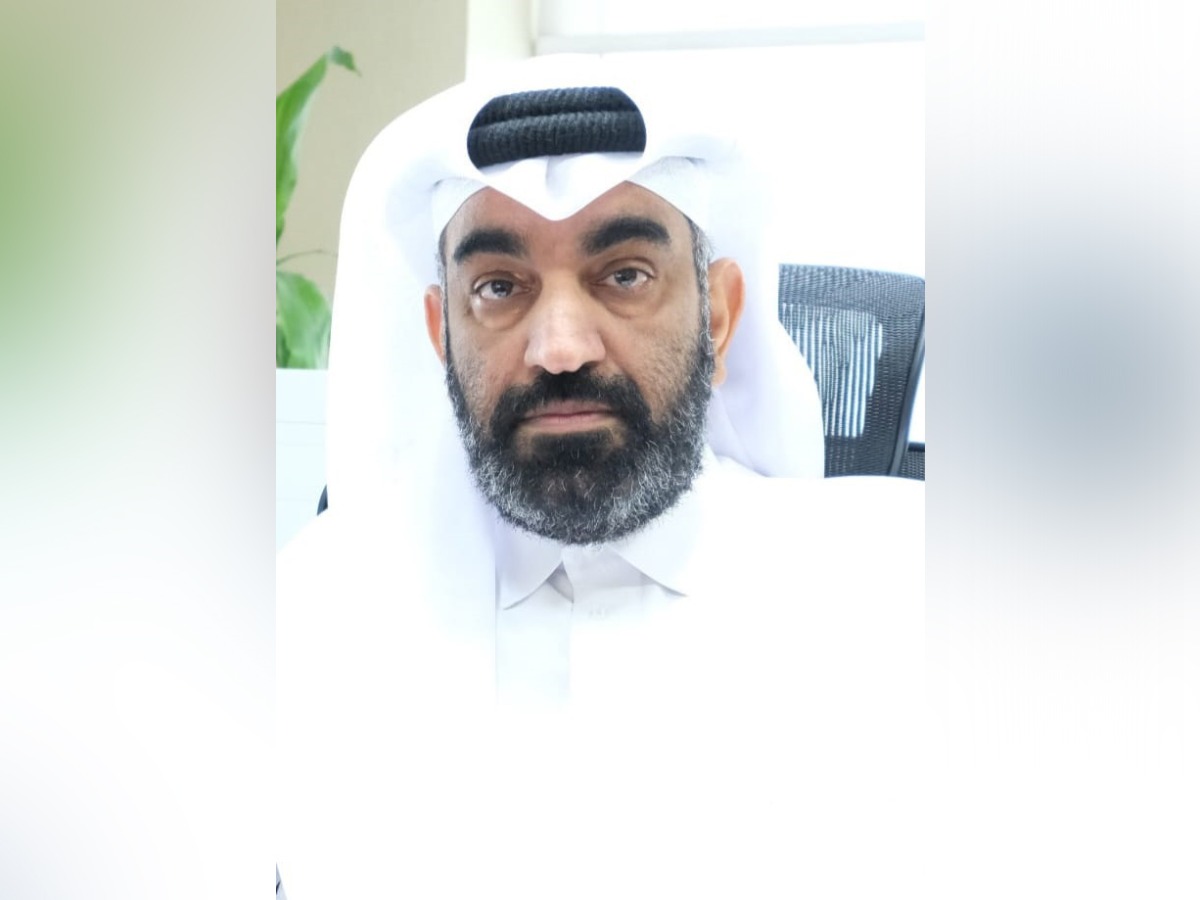
Saed Hadi Al Marri, Assistant Director of the Zakat Affairs Department for Administrative Affairs
Doha, Qatar: The Ministry of Awqaf and Islamic Affairs has announced a major upgrade to its digital zakat services, with the Zakat Affairs Department updating its Individual Zakat Calculator and launching a new Corporate Zakat Calculator as part of its ongoing digital transformation strategy.
The initiative aims to enhance calculation accuracy, strengthen financial governance, and facilitate the payment of zakat for both individuals and the business sector.
Saed Hadi Al Marri, Assistant Director of the Zakat Affairs Department for Administrative Affairs, stated that the update to the Individual Zakat Calculator followed a comprehensive analytical review of user experience and the needs of zakat payers. The upgrade includes a redesigned, more user-friendly interface, simplified data entry mechanisms, and improved calculation precision related to nisab thresholds, the completion of the lunar year (hawl), and various zakatable assets.
Al Marri explained that the updated calculator enables users to better understand the components of zakat assessment in a systematic manner, thereby raising Shariah-based financial awareness and empowering individuals to fulfil the third pillar of Islam with confidence and clarity.
He added that the enhanced calculator accommodates a wide range of personal assets, including cash, savings, gold, silver, shares, agricultural assets such as palm trees, and other zakatable wealth. Built-in guidance features assist users in entering accurate data, ensuring reliable results and reinforcing the credibility of the calculation process.
Regarding the launch of the Corporate Zakat Calculator, Al Marri described the service as a qualitative leap in institutional zakat administration. The calculator has been developed in accordance with approved accounting standards for determining the zakat base, in alignment with Shariah regulations governing corporate zakat. It allows accountants and financial managers to input core financial data in an organised format, enabling the system to analyze the information and calculate due zakat with precision, thereby strengthening compliance and transparency within institutions.
He emphasised that the new corporate service responds to the business sector’s need for accurate and methodical calculation tools that help streamline zakat disbursement and promote a culture of financial governance. The department has also provided technical and advisory support to ensure smooth adoption and optimal utilisation of the service.
Both calculators are accessible through the department’s official website and mobile application as part of a secure digital ecosystem that adheres to the highest standards of data protection and confidentiality. Users can proceed directly to electronic payment services and receive certified notifications upon completion, reducing processing time and improving procedural efficiency.
Al Marri noted that these developments align with the department’s broader vision to establish an integrated digital environment that combines Shariah compliance, administrative discipline, and technological efficiency. He stressed that digital transformation is no longer optional but essential to enhancing service quality and increasing beneficiary satisfaction.
Concluding his remarks, Al Marri reaffirmed the Zakat Affairs Department’s commitment to continuously advancing its smart services and electronic tools to facilitate zakat payment for individuals and businesses alike, strengthen trust in official collection channels, and uphold the principles of accuracy and transparency in managing zakat funds according to the highest professional and institutional standards.