DOHA: Support for local farmers remained a cornerstone of the Ministry of Municipality’s agricultural strategy in 2025, delivering tangible gains in domestic food production and sustainable farming.
A total of 950 productive farms supplied fresh produce to local markets, while vegetable output reached 75,000 tonnes, according to 2025 Achievements Report of the Ministry of Municipality issued recently.
Throughout 2025, the Ministry of Municipality continued to record significant achievements across multiple sectors, reinforcing its dedication to improving the quality of life, advancing digital transformation, supporting food security, and developing more human-centered and efficient cities. These initiatives follow a forward-looking institutional strategy that balances environmental sustainability, economic efficiency, and social well-being.
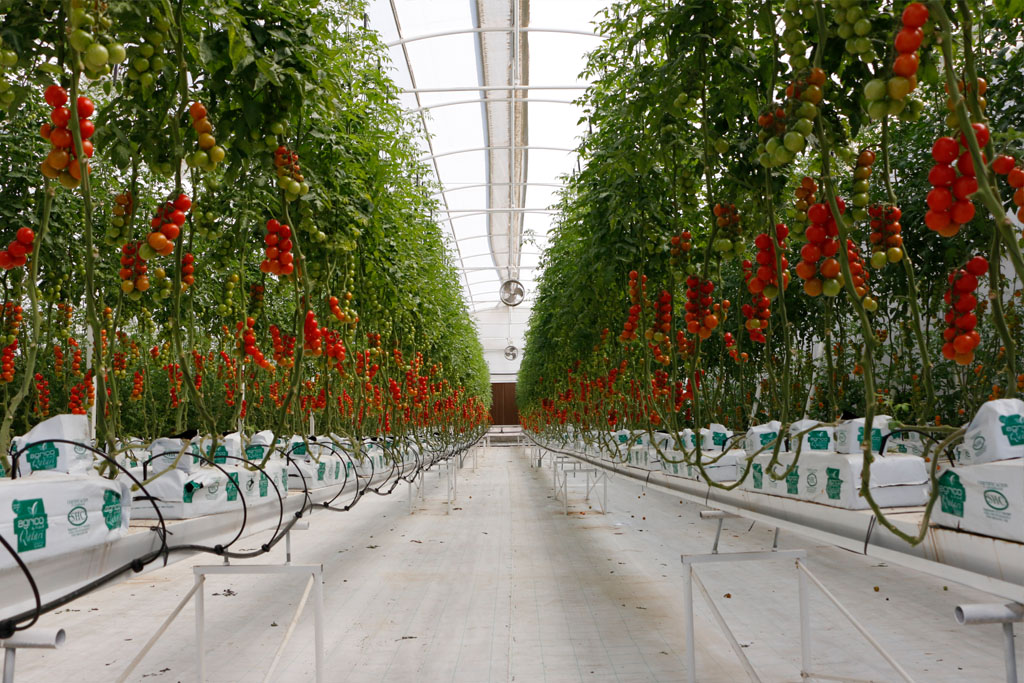
Continued investment in modern protected agriculture expanded greenhouse units to 8,420, alongside a significant surge in organic farming, reflecting the Ministry’s commitment to innovation, self-sufficiency, and environmentally responsible practices.
Organic farming also experienced remarkable growth, with cultivated areas increasing from 265.2 dunams to 813.2 dunams, representing a 207 percent increase over previous levels.
In a landmark achievement for Qatar’s aquaculture sector, local farms produced 508 tonnes of farmed fish in 2025, reflecting the Ministry of Municipality’s ongoing commitment to enhancing food security through strategic public-private partnerships.
This milestone underscores the Ministry’s integrated approach to supporting sustainable agricultural practices while contributing to the broader goals of the Qatar National Vision 2030.
In the field of aquaculture, the Ministry partnered with private sector stakeholders to bolster local fish production. Beyond the 508 tonnes of farmed fish, hatcheries successfully produced 1.2 million hamour fingerlings, 1.4 million sheri fingerlings, and 7 million fish fry, along with 1 million shrimp larvae, ensuring the sustainability and long-term growth of the fisheries sector. These efforts contribute directly to the country’s aim of increasing self-sufficiency in seafood production while reducing dependence on imports.
Local production indicators further demonstrated strong progress toward food self-sufficiency. Milk production now meets 99 percent of domestic consumption. Fresh poultry achieved a 99 percent self-sufficiency rate, red meat 19 percent, and table eggs 27 percent, illustrating sustained efforts to diversify domestic food sources and strengthen resilience across multiple agricultural sectors.
Through these initiatives, the Ministry of Municipality reaffirmed its role in promoting sustainable development, empowering farmers, and securing Qatar’s food supply. The 2025 results highlight a forward-thinking approach that integrates environmental stewardship, technological innovation, and economic efficiency while addressing the needs of society.
By fostering collaboration between public institutions and private enterprises, Qatar continues to advance toward a resilient, self-sufficient, and sustainable food system, aligning closely with the objectives of Qatar National Vision 2030.
The National Food Security Strategy 2030 includes 17 initiatives distributed over three main pillars.
The first pillar (local production and local markets) aims to develop local production of vegetables, fresh red meat (sheep and goats), fresh fish, and maintain self-sufficiency in the production of fresh dairy and poultry. This will be done by enhancing local production using modern agricultural techniques and sustainable practices, working to reduce dependence on external food supplies and ensuring the sustainability of meeting market needs through local production.