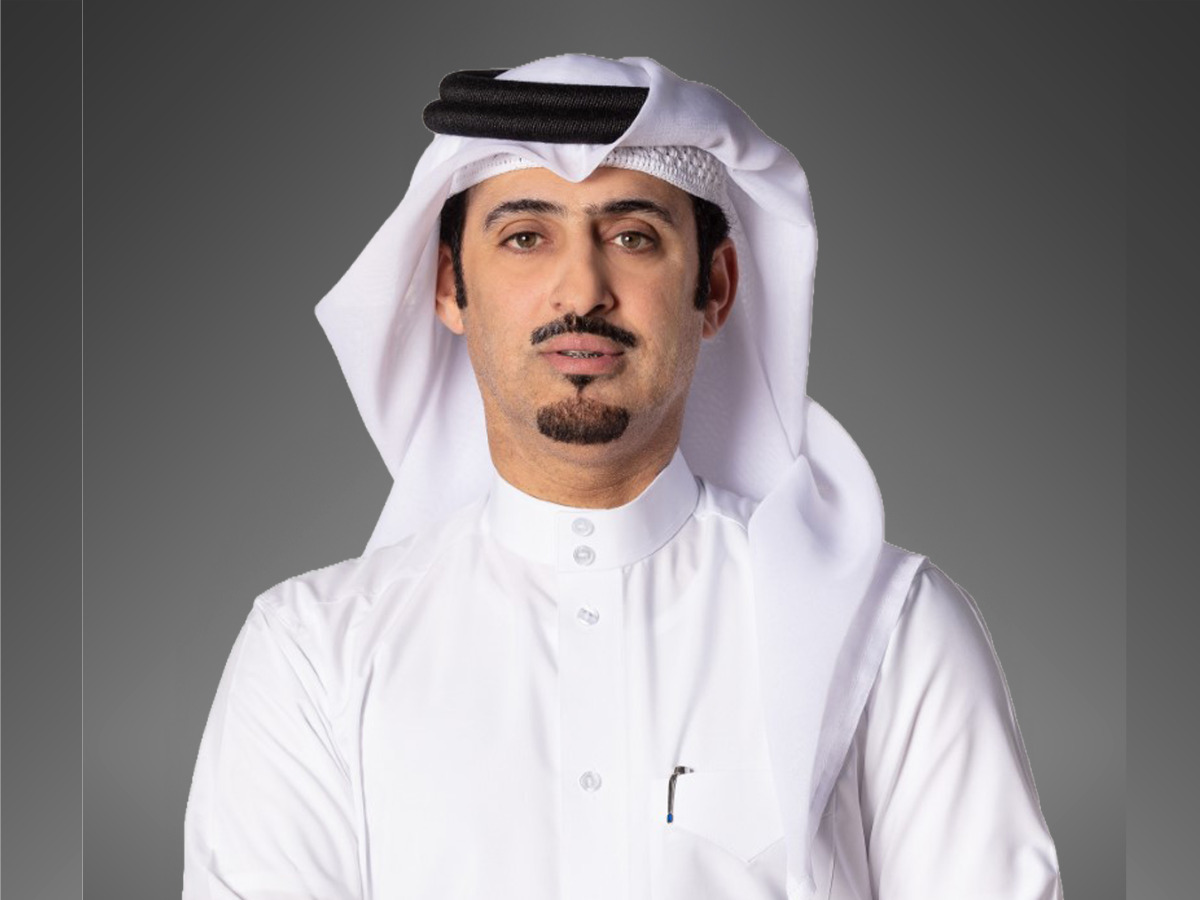
File photo of Qatar Financial Centre (QFC) CEO Mansoor Rashid Al-Khater
Doha, Qatar: Qatar has established itself as a strategic link between Gulf capital and fast-growing frontier economies, particularly in Asia and Africa, by strengthening financial cooperation, cross-border business ties and access to emerging opportunities, an official said.
Speaking to The Peninsula on the sidelines of the World Investment Forum 2026 in Doha, Qatar Financial Centre (QFC) CEO Mansoor Rashid Al-Khater highlighted the country’s geographical advantage and growing network of international partnerships as key drivers in connecting regional capital with developing markets.
Al-Khater said Qatar’s position connecting Asia, Europe and Africa provided a foundation for stronger commercial relationships and investment flows.
“Qatar can be a bridge between capital, expertise and opportunity, connecting fast-growing frontier economies with long-term Gulf capital,” he said.
The World Investment Forum, which concluded last week, “reinforces Qatar’s ambition to become a leading global investment hub,” the official said, adding that the country seeks to turn international investor engagement into new businesses, investment flows, and strategic partnerships.
Al-Khater said the gathering of more than 5,000 decision-makers offered Qatar an opportunity to strengthen its position not only as a major international investor but also as a destination where global investment decisions are made.
“Hosting an event of this scale reinforces Qatar as a strategic meeting point for global investors and a committed player in shaping the future of international investment,” he said.
He noted that the forum’s value extended beyond bringing global decision-makers together, providing a platform to connect international capital with investment opportunities, encourage partnerships between investors and businesses, and showcase Qatar as a place to establish and expand operations.
He also highlighted Islamic finance as an area with considerable potential for cooperation, supported by Qatar’s capabilities and growing demand in emerging markets.
Al-Khater said Qatar’s economic resilience, investment capacity and plans to develop new sectors made it an attractive destination for investors with a long-term outlook.
“Qatar is where long-term capital meets real opportunity,” he said. “For QFC, the focus remains on making it easier for businesses to establish, operate and grow in Qatar while enabling them to access opportunities across the region.”
He cited Qatar’s AA credit rating with a stable outlook, reaffirmed by Fitch this year, as evidence of the country’s economic resilience.
The centre offers a range of structures to meet different business requirements, including holding companies, trusts and foundations that can help internationally mobile families manage investments, succession arrangements and business interests across jurisdictions.
Al-Khater identified artificial intelligence (AI), fintech and digital assets as important areas of opportunity as Qatar seeks to play a greater role in shaping the future of financial services.
He further added that the country’s ambition is not simply to adopt emerging technologies but to help develop them, attract innovators and create an environment where new solutions could progress from experimentation to commercial application.