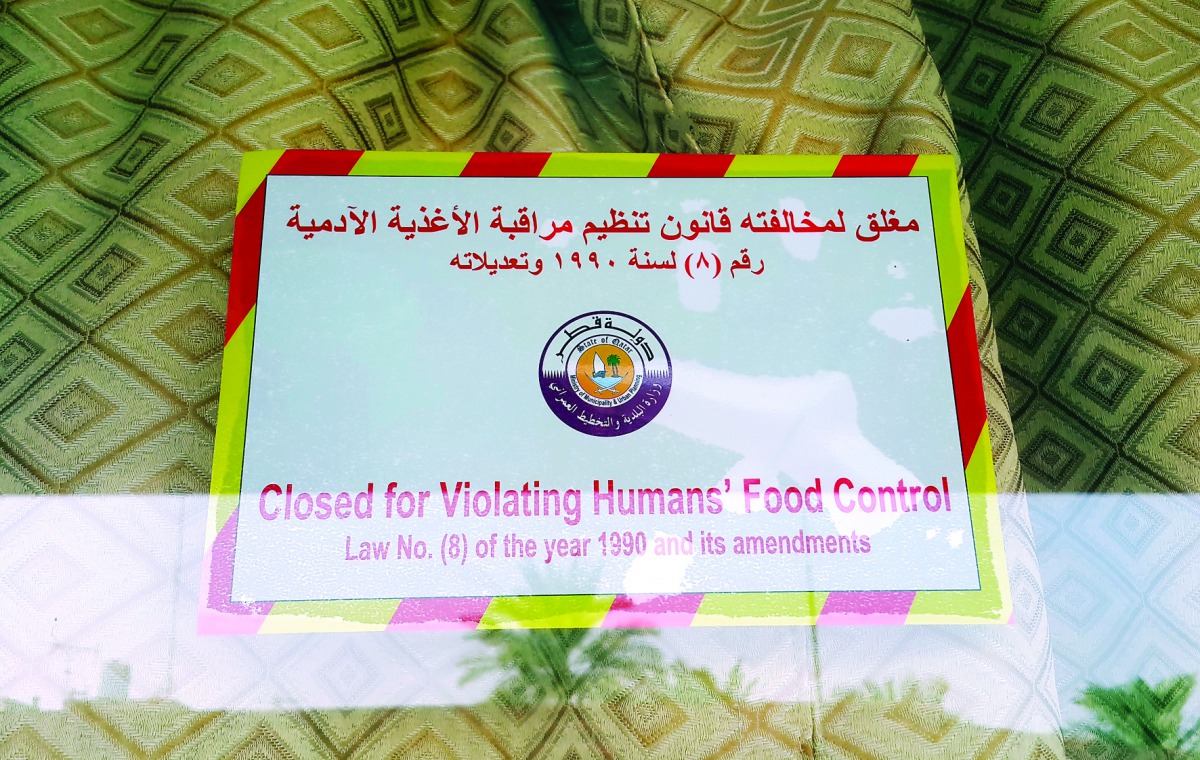
With intensified inspections by the authorities, eateries across the country have become more cautious about the quality and storage of food products.
Eateries have started taking extra care in complying with the rules related to expiry dates, standards and storage of food products as well as about the personal hygiene of employees, according to industry sources.
Inspections at food outlets are conducted by inspectors of the Ministry of Municipality and Environment. An average of 15 inspection raids are conducted every month in addition to routine visits. Eateries are being temporarily closed for violating food laws. Generally, violations include offering expired food and preparing food in unhygienic conditions.
Several eatery managers and staff, The Peninsula spoke to, said that detailed inspections are held as often as thrice a week by different inspectors. They say the inspections are held in a very extensive manner and even the smallest details are taken into consideration by the inspectors.
“Inspections are very strict and we are extra-careful about everything including the expiry dates, methods of food storage and personal hygiene of the employees. They will be checking different things such as the licences, food storage facilities and if the employees meet the specifications set by the Ministry. For example, the inspectors will even check if employees have nails grown, and if a waiter is not wearing hand gloves, we will be fined QR2,500,” said the owner of a hotel who is in the business for more than ten years.
“Sometimes a team of inspectors will come and check and in case of any doubts, they make follow-up visits. In some weeks, we have had three to four inspections by different teams,” he added.
Restaurant managers also say that the expiry date of food products and storage methods are taken very seriously. “The expiry date of every food product should be visible, and we can’t remove the labels of imported products. Also, all food items should be kept separately in the refrigerator. For example, we can’t keep fish, beef and chicken together; they should be kept in different areas of the refrigerator,” said the manager of a restaurant near the Industrial Area.
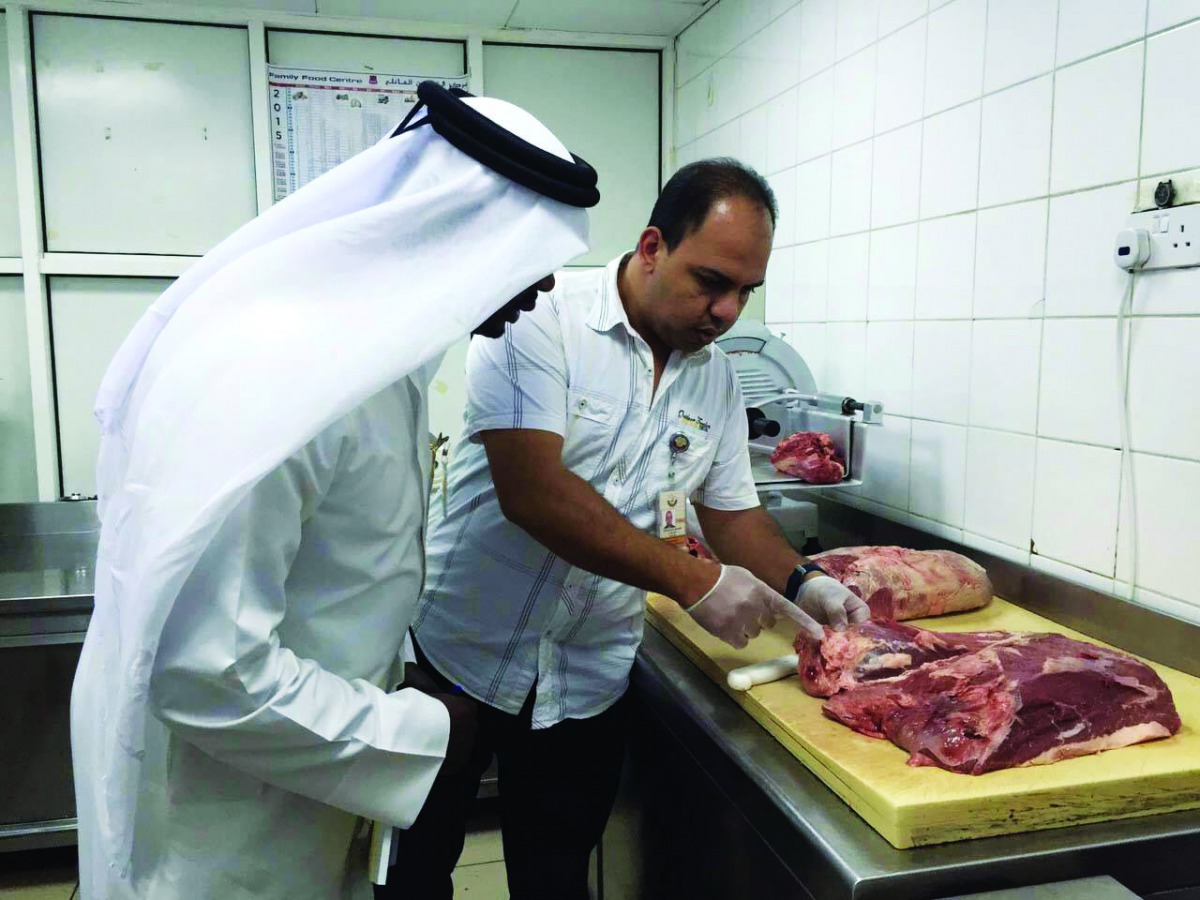
“The inspectors will look at every small detail and depending on the gravity of violation, they can issue a warning letter, impose fine or close the restaurant from one week to two months. It is actually good for us as it prevents us from committing any mistake in food handling and serving,” he added. He also said that they take precautions to avoid any violations, such as taking the employees for annual medical checks ahead of time.
The Peninsula also spoke to officials at the Ministry of Municipality and Environment to find the reasons behind intensified inspections.
The reason for closures and fines against violating eateries is that they are not respecting food safety standards. "Our job at the Ministry of Municipality and Environment is to ensure the safety of consumers and execute the laws against violators," said a source at the ministry.
“To make eateries and food outlets meet health standards, we are conducting routine campaigns and are also increasing the raids depending on seasons like Ramadan, when many restaurants provide dishes to a large number of people," the Ministry official added.
"The majority of violations are committed by restaurants because they are preparing huge quantities of food and may not give proper attention while cooking and the food is also displayed for a longer period of time that makes it unsuitable for human consumption, especially during summer," he added.
The authorities say that many restaurants change workers very frequently so it is difficult for them to teach them about municipality’s rules.
"After giving awareness lectures about food regulations to some workers, we find during the next visit that they have been replaced," said the official.
"The problem is that eateries buy more products which they cannot use in time and then keep it until it expires. Sometimes, they cook more quantity than they can sell. We advise them to be careful in cooking food and buying food products," he added.
Restaurants, supermarkets and cafeterias violate rules mostly. "The number of closures may differ from one municipality to another. On an average, between three to four shops are closed per month in a municipality," the official said.
"However, the closure does not mean that food outlets are selling expired food. It may mean that food was stored or prepared in unhealthy conditions. We also know that there are a number of workers who have a low health awareness," he said.
The official also said that the aim of the authorities was not to close or to fine restaurants but they should meet health requirements because we can't compromise on people's health. "Any eatery which is respecting health regulations can never face a closure or fine," he said.
He asked the restaurants to raise awareness about health rules among their workers to avoid violations and save their money and restaurants' reputation. Replying to a question about the result of increased inspection visits, he said, “Yes, of course, when we increase inspection visits we cover more food outlets and catch more violations."
On the mechanism of monitoring restaurants’ prices, he said: "The authority which is responsible for restaurants and shops’ prices is Consumer Protection Department and the municipalities are just looking at the health side."
Earlier, many restaurants were closed for storing food in hidden stores inside workers accommodation which is a serious violation of the law. Some of the eateries were also caught preparing food inside the accommodation of workers in unhealthy conditions, and such violations could invite severe punishment, including fine and jail for the owners/operators of the erring outlet.
Restaurants must pay attention to many things like transportation of cooked food from the kitchen to the eateries. The source urged eateries and shops to meet the health regulations and prepare and store food only in designated places.
Recently, the heath monitoring section at Al Shamal Municipality conducted joint inspection visits with Al Khor and Al Dakhira Municipality and closed a food facility for seven days for selling food unfit for human consumption.